Training Every Day Is Killing Your Gains
Rest days aren't laziness — they're where muscle growth actually happens. Learn the recovery science that makes your training work harder for you.
Fit Life 50+ Staff
Fitness and wellness resources for adults over 50
Rest days aren't laziness — they're where muscle growth actually happens. Learn the recovery science that makes your training work harder for you.
The 'No Days Off' Myth That's Holding You Back
Social media has a way of making rest look like weakness. Scroll through any fitness feed and you'll find athletes bragging about training seven days a week, posting sweaty selfies every morning like consistency means never stopping. It's inspiring on the surface — until you realize that for most people, this approach quietly destroys the very results they're chasing.

Here's the uncomfortable truth: the workout is the stimulus. The rest is where the adaptation actually happens. If you skip the recovery, you skip the gains. Full stop.
This isn't about being soft or making excuses. It's about understanding how muscle physiology actually works — and then using that knowledge strategically. The smartest athletes in the world, from Olympic sprinters to professional powerlifters, treat recovery as a core part of their program. Not an afterthought. Not a reward for hard work. A non-negotiable training tool.
If you've been grinding daily and wondering why your strength has plateaued, your energy is tanking, or your motivation has evaporated — this article is for you.
What Actually Happens to Muscle When You Train
When you lift weights or perform resistance training, you're not building muscle in the gym. You're breaking it down. Specifically, you're creating microscopic damage to muscle fibers — a process called muscle protein breakdown. This sounds alarming, but it's exactly what's supposed to happen. It's the signal your body needs.
After training, your body launches a repair process. Satellite cells flood the damaged tissue, muscle protein synthesis ramps up, and your fibers are rebuilt slightly thicker and stronger than before. This is called supercompensation — your body adapts beyond its previous baseline to handle future stress.
But here's the catch: this entire repair and rebuild process requires time and resources. It requires adequate sleep, proper nutrition, and — critically — a reduction in training stress on that muscle group. Research consistently shows that muscle protein synthesis remains elevated for 24 to 72 hours post-training, depending on training volume and intensity.
If you train the same muscle again before that process completes, you interrupt the rebuild. You're essentially demolishing a house that's still under construction. Over time, that leads to accumulated fatigue, stalled progress, and eventually — injury.
Understanding Overtraining: It's More Common Than You Think
Overtraining syndrome is a real, documented physiological condition — not a gym bro excuse. It occurs when training stress consistently exceeds your body's ability to recover, and the symptoms can be surprisingly subtle at first.

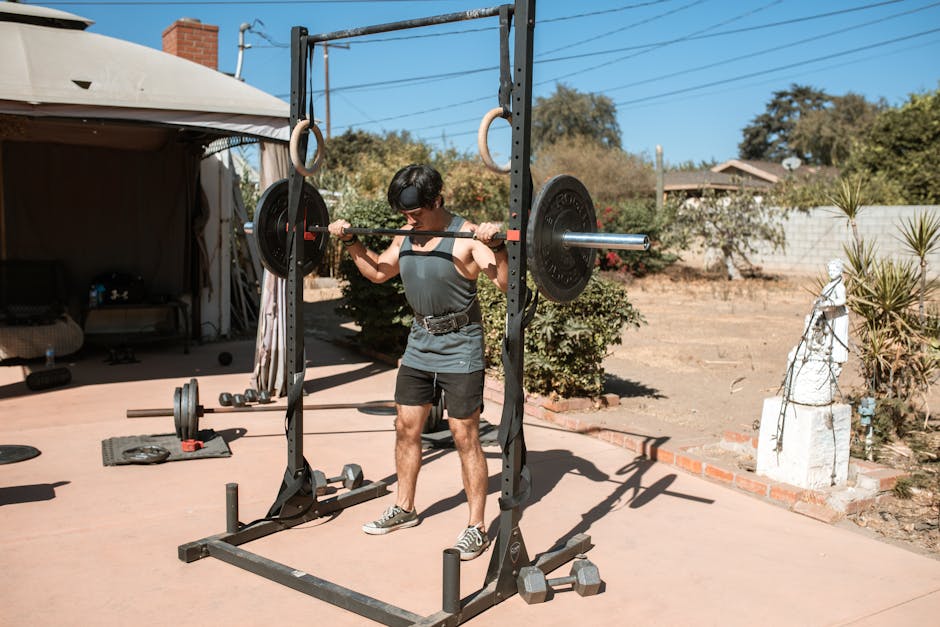
Photo by Misha Zimin on Pexels
Common signs include:
- Persistent fatigue that doesn't improve with a night's sleep
- Declining performance — weights that felt easy now feel impossible
- Mood disturbances including irritability, anxiety, or low motivation
- Elevated resting heart rate in the morning
- Disrupted sleep despite physical exhaustion
- Increased susceptibility to illness as immune function dips
Many people push through these warning signs, convinced they just need more discipline. In reality, they need the opposite. The body's stress response system — particularly cortisol — becomes chronically elevated under overtraining conditions. Chronically high cortisol is actively catabolic, meaning it breaks down muscle tissue rather than building it.
The cruel irony of overtraining is that the harder you push without recovery, the more muscle you can actually lose. You end up working harder for worse results. Recognizing these signals early and responding with strategic rest is not giving up — it's training intelligently.
How to Structure Recovery Like a Training Variable
Recovery isn't just 'not training.' Done right, it's an active, structured part of your program — and it deserves the same intentionality as your sets and reps.
Passive recovery means complete rest — no structured exercise. This is appropriate after high-intensity sessions or when your body is sending clear fatigue signals. One to two full rest days per week is a reasonable baseline for most people training three to five days a week.
Active recovery means low-intensity movement that promotes blood flow without adding significant training stress. Think a 20-minute walk, light cycling, yoga, or mobility work. This helps clear metabolic waste from muscles and keeps you moving without digging a deeper recovery hole.
Sleep is your most powerful recovery tool. During deep sleep, growth hormone is released in its highest concentrations. This hormone is central to muscle repair and fat metabolism. Consistently sleeping less than seven hours significantly impairs muscle protein synthesis and recovery capacity — full stop.
Nutrition also matters enormously. Protein intake spread across the day gives your muscles the raw materials for repair. Carbohydrates replenish glycogen stores. Hydration supports every cellular process involved in recovery. Treat the 24 hours after a hard session as part of the training session itself.
The Training Split That Makes Recovery Work For You
You don't have to train less to recover better — you have to train smarter. A well-designed training split allows you to be in the gym frequently while giving each muscle group adequate time to recover between sessions.
For example, a push/pull/legs split trains each major muscle group roughly twice per week with 48-72 hours between sessions targeting the same muscles. An upper/lower split follows the same logic. Both approaches let you maintain high training frequency overall while honoring the recovery timeline your muscles actually need.
If you genuinely love training every day — and some people do — consider reserving one or two of those days exclusively for mobility work, foam rolling, breathwork, or light cardio. This keeps your routine intact without stacking muscle-damaging stress on top of incomplete recovery.
The goal isn't to minimize training. It's to maximize the return on every session you do. A workout you recover from fully is worth far more than two workouts you're grinding through half-recovered. That's not a motivational platitude — it's basic physiology.
Build your week so that rest is scheduled, not accidental. Treat it as a training day with a different kind of work to do.
Recovery Is the Long Game — And the Long Game Wins
Here's a perspective shift worth sitting with: every workout you do is an investment. And like any investment, it only pays off if you give it time to compound. Rest days are when your body cashes in on the work you've already done.
This mindset matters especially if you're playing the long game with your health — which, if you're here, you probably are. Sustainable training over years and decades beats intense-but-inconsistent training every single time. The athletes and lifters who are still strong, mobile, and injury-free at 50, 60, and 70+ are almost never the ones who trained hardest. They're the ones who trained wisely.
Chronic overtraining doesn't just stall your gains — it accumulates injury risk, burns out your motivation, and can create a complicated relationship with exercise that makes consistency feel impossible. On the other hand, when recovery is built into your program, workouts feel good. You show up energized. You make progress. And that progress motivates you to keep going.
Strong today. Strong tomorrow. Strong for life. That's not possible without rest. Recovery isn't the opposite of commitment — it's proof of it.
Conclusion
Rest days aren't wasted days — they're the days your body builds the strength your workouts demanded. The science is clear: muscle grows during recovery, not during the workout itself. If your progress has stalled, your energy is low, or training feels like a grind, the answer might not be more volume. It might be more rest. Start this week with one simple action: schedule your rest days before you schedule your workouts. Make recovery as deliberate as your training. Because the goal was never to just survive the gym — it was to come back stronger every time.
Take the Next Step
Put the Knowledge
Into Action
Send a question or use the starter resources to plan your next practical step.