The Real Science of Muscle Growth (Explained Simply)
Cut through the confusion. Here's exactly how muscle breakdown and rebuilding works—and how to use the science to train smarter.

Fit Life 50+ Staff
Fitness and wellness resources for adults over 50
Cut through the confusion. Here's exactly how muscle breakdown and rebuilding works—and how to use the science to train smarter.
Why Everyone Gets This Wrong
Scroll through enough fitness content and you'll find two camps screaming at each other. One side says muscle soreness means growth. The other says soreness is irrelevant. Someone else insists you need to destroy your muscles to rebuild them bigger. It's exhausting—and most of it misses the actual point.
The confusion exists because muscle growth involves several overlapping processes, and reducing it to a single catchy idea always leaves something out. "No pain, no gain" isn't science. But neither is "just move your body and eat protein."
The truth lives in the middle, and it's actually pretty elegant once you see it clearly. You don't need a biology degree. You just need the right framework—and that's exactly what this breakdown gives you.
What Actually Happens When You Lift
When you perform resistance exercise—lifting weights, using bands, doing bodyweight work—you create microscopic stress on your muscle fibers. This stress causes tiny tears at the structural level of the muscle tissue. That process is called mechanical tension, and it's the primary driver of muscle adaptation.

Photo by Ketut Subiyanto on Pexels
Your body reads this stress as a signal: something challenged us, we need to get better at handling it.
A secondary process called metabolic stress also occurs—that burning sensation during a tough set. And there's muscle damage, which contributes to the soreness you sometimes feel 24–48 hours later (delayed onset muscle soreness, or DOMS).
Here's the key insight most short-form content skips: breakdown alone doesn't build muscle. It's just the opening signal. What your body does after training is where the real magic happens.
The Rebuild: Where Growth Actually Occurs
After training, your body launches a repair process called muscle protein synthesis (MPS). Satellite cells—specialized repair cells that live alongside your muscle fibers—activate and flood the damaged areas. They fuse with existing fibers and lay down new protein strands, rebuilding those fibers slightly thicker and stronger than before.
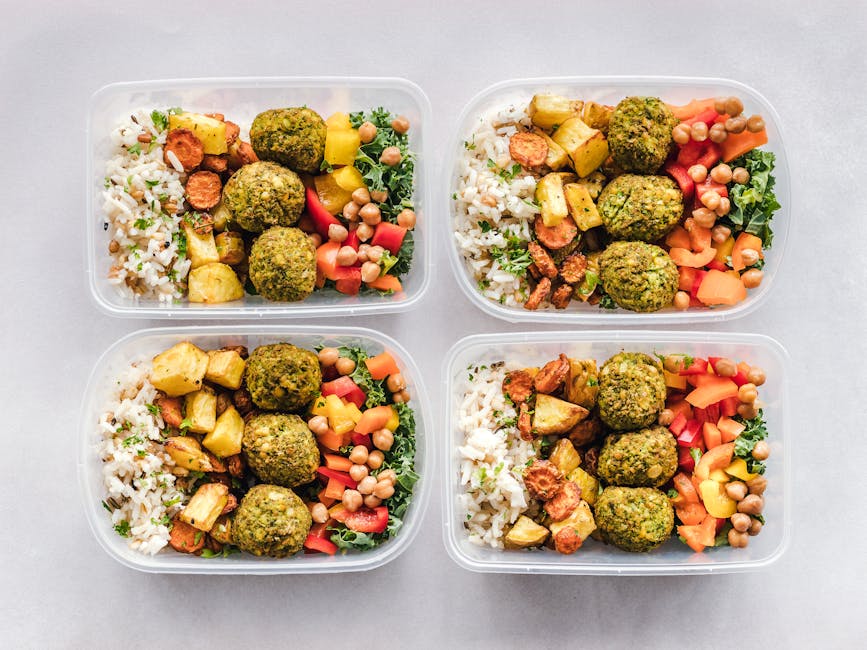
Photo by Ella Olsson on Pexels
This is the essence of muscle hypertrophy: your muscle fibers adapt by increasing in size.
But this rebuilding process only works when you give it what it needs:
- Adequate protein to provide the raw materials (amino acids)
- Sufficient calories so your body isn't in energy survival mode
- Rest and sleep, when the majority of repair and growth hormone activity occurs
Skip any one of these, and you've done the hard part—the training—without collecting the reward. It's like depositing a check and never letting it clear.
The Soreness Myth (And What to Track Instead)
Let's settle this once and for all: soreness is not a reliable indicator of muscle growth.
DOMS is largely a sign that your muscles encountered something unfamiliar—a new exercise, a new angle, higher volume than usual. Experienced lifters often get very little soreness because their bodies have adapted to training stress. That doesn't mean they're not growing. It means they're efficient.
Chasing soreness as a goal is a trap. It can lead to overtraining, poor recovery, and eventually injury—none of which builds muscle.
What should you track instead? Progressive overload. Are you gradually lifting more weight, doing more reps, or completing the same work with better form over time? That consistent, measurable progression is the true signal that your muscles are being challenged and adapting. Soreness is a side effect. Progress is the point.
The Recovery Window: Timing Is Real, But Relax
You've probably heard about the "anabolic window"—the idea that you must consume protein within 30 minutes of training or you've wasted your workout. This concept has been dramatically overstated.
Research consistently shows that total daily protein intake matters far more than precise post-workout timing for most people. That said, getting protein in the hours surrounding your workout is still a smart habit—it just doesn't need to be frantic or stressful.
A general guideline that holds up well: aim for 0.7–1 gram of protein per pound of bodyweight daily, spread across your meals. Prioritize whole food sources. If a protein shake after training makes that easier, use it—but it's a tool, not a magic ritual.
Sleep is arguably more important than any supplement. Growth hormone peaks during deep sleep, and most MPS occurs during rest. Sleeping 7–9 hours isn't optional recovery—it's when the growth happens.
How to Apply This Every Single Week
Understanding the science is only useful if it changes how you train. Here's the simple framework that puts it all together:
Train with intent. Apply enough challenge to create a meaningful stimulus—you should finish a set feeling like you had 1–3 reps left in the tank, not 10. You don't need to train to failure every set.
Recover with purpose. Hit your protein target daily. Eat enough to support your activity level. Protect your sleep like it's part of your program—because it is.
Progress consistently. Use the FITT principle as your guide: adjust Frequency, Intensity, Time, or Type over weeks and months to keep providing a new stimulus. This is progressive overload in practice.
Be patient. Visible muscle growth takes weeks to months of consistent effort. The lifters who make the best long-term progress aren't the ones who train hardest—they're the ones who train smart and consistently without burning out or getting hurt.
Longevity over ego. Always.
Conclusion
Muscle growth isn't complicated—but it does require respect for the full process. You break it down with smart training. You build it back up with protein, food, and sleep. You make it stick with progressive overload and consistency over time. That's the whole system. Your one actionable takeaway: this week, track one thing—whether that's your protein intake, your sleep hours, or the weight on the bar. Pick one variable, improve it, and let the science do the rest. Strong Today. Strong Tomorrow. Strong for Life.
Take the Next Step
Put the Knowledge
Into Action
Send a question or use the starter resources to plan your next practical step.