The Post-Workout Mistake That's Killing Your Muscle Gains
Discover the one post-workout mistake sabotaging your muscle gains — and the science-backed recovery protocol that actually protects your progress.

Fit Life 50+ Staff
Fitness and wellness resources for adults over 50
Discover the one post-workout mistake sabotaging your muscle gains — and the science-backed recovery protocol that actually protects your progress.
You Finished Your Workout. Now What?
You pushed hard. You logged the reps. You earned that sweat. But what happens in the 30–60 minutes after you rack the bar may matter just as much as the training itself.
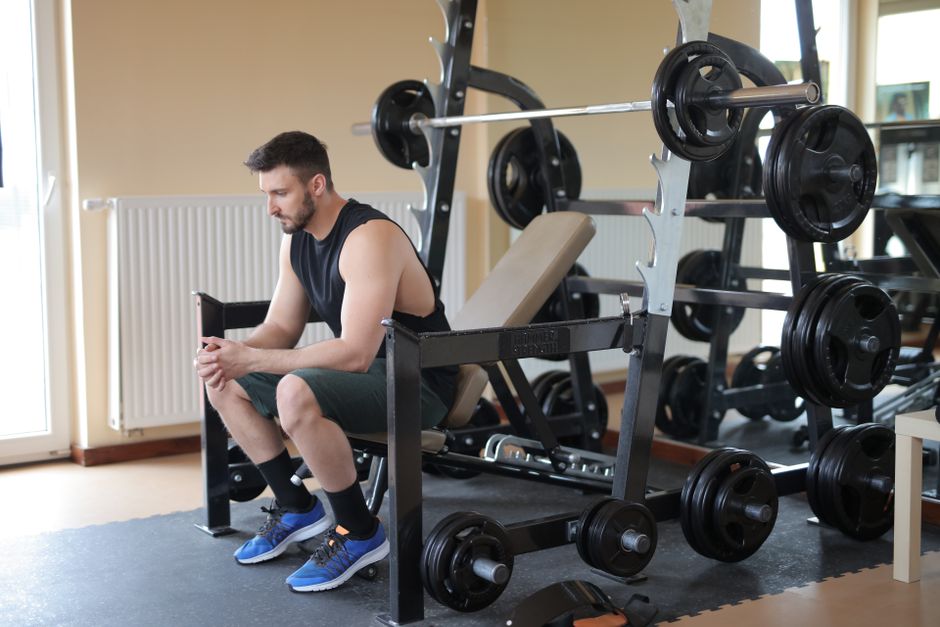
Photo by Andrea Piacquadio on Pexels
Here's the uncomfortable truth: millions of dedicated lifters are unknowingly doing something immediately post-workout that suppresses the very muscle-building signals they just worked so hard to trigger. It's not a missing supplement. It's not skipping a cool-down stretch. It's something far more common — and far more fixable.
This isn't about chasing marginal gains or optimizing every variable into oblivion. It's about protecting the foundational process your body relies on to rebuild stronger. Whether you're 25 or 65, whether you're six months into training or six years — this matters to you. The biology doesn't discriminate by age. The mistake doesn't either.
The Mistake: Staying in Stress Mode
The mistake is staying in a state of physiological stress long after your training ends — and the most common driver of that is chronically under-eating protein after training, combined with prolonged elevated cortisol from insufficient post-workout nutrition and poor wind-down habits.
Here's the short version of the science: resistance training triggers muscle protein breakdown alongside muscle protein synthesis. Your goal is to tip that balance decisively toward synthesis — building more than you break down. To do that, your body needs an adequate protein signal relatively soon after training.
When you skip or significantly delay post-workout protein, and pair that with rushing straight into high-stress activity — work calls, skipping meals, poor sleep that night — cortisol stays elevated. Cortisol is catabolic. It breaks muscle down. Your workout was the stimulus. Your recovery is where the actual gains are made.
The window isn't magic. The biology is.
Why Protein Timing Still Matters (Even If It's Not Everything)
You've probably heard the debate: does the "anabolic window" even exist? The answer is nuanced, and the nuance is worth understanding.
The research on post-workout protein timing suggests that while the window isn't a rigid 30-minute deadline, training in a fasted state or going several hours without protein after hard resistance training does appear to blunt muscle protein synthesis compared to timely intake. The effect is more pronounced the harder and longer you trained.
The practical takeaway: you don't need to choke down a shake while still in the locker room. But waiting three or four hours because you "forgot to eat" is likely costing you recovery. Aim for a quality protein source — whole food or a shake — within roughly 60–90 minutes of finishing your session.
Target around 20–40 grams of high-quality protein to meaningfully stimulate muscle protein synthesis. Leucine, found abundantly in animal proteins and quality plant blends, is the key trigger. Consistency across the full day matters most — but don't let that become an excuse to ignore the post-workout window entirely.
The Full Recovery Protocol That Actually Works
Protecting your gains after training isn't complicated. It is, however, specific. Here's what the evidence points toward:

Photo by Pervane Mustafa27 on Pexels
1. Prioritize protein within 90 minutes. Whole food is ideal — eggs, Greek yogurt, chicken, cottage cheese, a quality protein shake. Pair it with carbohydrates if your training was intense or long-duration. Carbs help replenish glycogen and can assist with the hormonal recovery response.
2. Hydrate deliberately. You likely lost more fluid than you realize. Mild dehydration impairs recovery and performance in your next session. Water is sufficient for most. Electrolytes matter more if you sweat heavily.
3. Downregulate your nervous system. This is the underrated one. Transitioning straight from an intense training session into a high-stress environment — mentally or physically — prolongs cortisol elevation. Even 5–10 minutes of slow breathing, walking, or stillness post-training helps shift your body toward a recovery state.
4. Protect your sleep that night. Sleep is when the real rebuilding happens. No post-workout hack compensates for consistently poor sleep.
This Applies to You at Any Age — Especially After 40
Here's where context matters: as we move through our 40s, 50s, and beyond, muscle protein synthesis becomes somewhat less sensitive to the protein stimulus. That doesn't mean gains aren't achievable — they absolutely are at any age. But it does mean the fundamentals of recovery need to be more consistent, not less.
Research consistently shows that older adults may benefit from slightly higher per-meal protein intakes (closer to that 35–40 gram range) to achieve the same anabolic response as a younger lifter hitting 20 grams. This isn't a disadvantage — it's just useful information. Adjust accordingly.
The individuals in their 50s and 60s who make the best progress aren't the ones training hardest. They're the ones recovering smartest. They treat their post-workout window with the same intention they bring to their training.
Longevity over ego. That applies to recovery too — not just how much weight you put on the bar.
Build the Habit, Not Just the Knowledge
Knowing the protocol doesn't build muscle. Executing it consistently does.
The simplest system: prepare your post-workout meal or shake before you train. Remove the decision from the equation. When you're tired, hungry, and post-training willpower is low, the last thing you want is to figure out what to eat. Have it ready. Make it automatic.
Track one thing this week: how long it takes you to get a quality protein source after your workout. Just observing the habit — before trying to change it — is often enough to start shifting it.
Recovery isn't passive. It's not just what you do in the gym. It's the intentional choices you make in the hours that follow — the nutrition, the hydration, the wind-down, the sleep. Every session you complete is an investment. Post-workout recovery is how you collect the return.
Train hard. Recover harder. That's the protocol.
Conclusion
Your workout is the stimulus. Recovery is where the gains actually happen. The one mistake most lifters make — delaying or skipping post-workout protein while staying locked in a high-stress state — directly undermines the muscle-building signals they just worked hard to create. The fix is simple: get 20–40 grams of quality protein within 90 minutes, hydrate, and give your nervous system permission to downregulate. Start there. Do it consistently. That single shift, applied after every training session, compounds into real, lasting results. Strong today. Strong tomorrow. Strong for life.
Take the Next Step
Put the Knowledge
Into Action
Send a question or use the starter resources to plan your next practical step.