The Deadlift: Strength, Fat Loss & Better Posture in One Move
Discover how the deadlift builds full-body strength, boosts fat burning, and corrects posture—plus how to do it safely at any fitness level.
Fit Life 50+ Staff
Fitness and wellness resources for adults over 50
Discover how the deadlift builds full-body strength, boosts fat burning, and corrects posture—plus how to do it safely at any fitness level.
Why the Deadlift Deserves a Spot in Every Program
There are hundreds of exercises competing for space in your training program. Most of them do one thing reasonably well. The deadlift does three things exceptionally well — and that makes it one of the most valuable movements you can learn, regardless of your age or experience level.
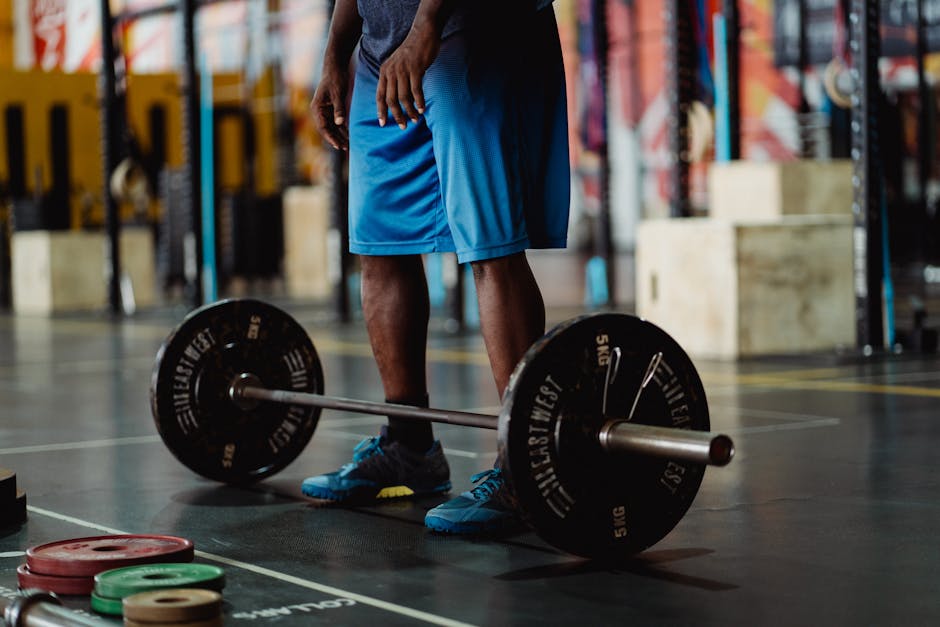
Photo by Ketut Subiyanto on Pexels
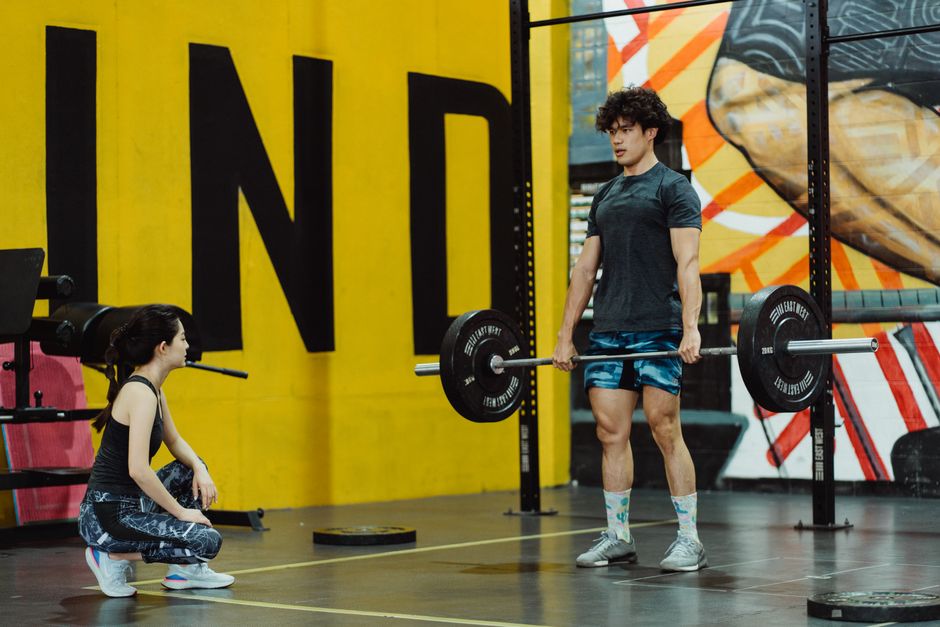
The deadlift is a hip-hinge movement. You push the floor away, keep your spine neutral, and stand tall with load in your hands. That's it at its core. But underneath that simplicity is a cascade of muscular, metabolic, and structural benefits that few other exercises can match.
This isn't about ego lifting or chasing numbers on a bar. It's about mastering a movement pattern that your body was literally designed to perform — picking things up from the ground. Done consistently and progressively, the deadlift pays dividends that compound over years, not just weeks.
The Full-Body Strength Case for Deadlifts
When people think strength training, they often think isolated movements — curls for biceps, leg extensions for quads. The deadlift throws that concept out the window. It recruits your glutes, hamstrings, quads, spinal erectors, lats, traps, core, and grip — all in a single rep.
This multi-joint, multi-muscle recruitment is what exercise scientists call a compound movement, and compound movements are the backbone of any serious strength program. Because so many muscle groups are working simultaneously, the training stimulus is enormous. You're not just getting stronger in one area — you're building systemic strength that carries over into everyday life.
Think about what you do daily: lifting groceries, picking up children, loading luggage overhead, getting up from the floor. All of these movements echo the hip-hinge pattern. Training the deadlift doesn't just make you stronger in the gym — it makes you more capable everywhere.
Progressive overload — gradually increasing the demand on your muscles over time — is the engine behind all strength gains. The deadlift is uniquely suited for this principle because it allows for precise, incremental load increases while engaging your body's largest and most powerful muscle groups.
How Deadlifts Accelerate Fat Loss
The deadlift isn't marketed as a fat-loss exercise, but the physiology tells a compelling story. Because it recruits so much muscle mass simultaneously, your body burns significantly more calories during a deadlift set than it would during isolated exercises. More muscle working means more metabolic demand — both during the session and in the hours of recovery that follow.
Photo by Tima Miroshnichenko on Pexels
This post-exercise calorie burn — sometimes called excess post-exercise oxygen consumption or EPOC — is meaningfully higher after heavy compound training than after lighter, isolated work. Your body continues working to repair muscle tissue, restore energy systems, and regulate hormones long after you've left the gym.
Beyond the calorie equation, building muscle through deadlifting raises your resting metabolic rate over time. Muscle tissue is metabolically active — it burns energy just to exist. More lean muscle means a higher baseline calorie burn every single day, even on rest days.
This is the sustainable fat-loss strategy that no crash diet can replicate: build muscle, raise your metabolism, and let your body do more work for you around the clock.
The Posture Connection Most People Miss
Here's something that rarely makes the headlines: the deadlift is one of the most effective exercises for correcting the postural dysfunction that plagues modern life. Hours of sitting, screen time, and sedentary work create a predictable pattern — rounded shoulders, a weak posterior chain, a tight hip flexor, and a spine that's lost its natural curve.
The deadlift directly targets the posterior chain — the glutes, hamstrings, and spinal erectors that run along the back of your body. These are precisely the muscles that become weak and underactive from prolonged sitting. Strengthening them pulls your pelvis into proper alignment, draws your shoulders back, and teaches your spine to maintain its natural neutral position under load.
The form cues alone are posture lessons in themselves: chest up, shoulders packed down and back, core braced, neutral spine. Practicing these cues repeatedly builds motor patterns that start to show up in how you stand, walk, and sit — not just how you lift.
For anyone dealing with lower back discomfort from postural weakness (not acute injury), properly performed deadlifts are often part of the solution, not the problem.
How to Deadlift Safely at Any Fitness Level
The deadlift has an undeserved reputation for being dangerous. In reality, it's unsafe technique — not the exercise itself — that creates risk. With proper coaching and an ego-free approach to load selection, the deadlift is accessible to virtually any healthy adult.
The Setup (Conventional Deadlift):
- Stand with feet hip-width apart, bar over mid-foot
- Hinge at the hips, push them back, and grip the bar just outside your legs
- Take a deep breath into your belly, brace your core like you're about to take a punch
- Pull your shoulders back and down — "protect your armpits"
- Drive through the floor, keeping the bar close to your body
- Stand tall at the top, hips fully extended — don't hyperextend your lower back
- Reverse the movement with control on the way down
Breathing: Inhale and brace before the lift. Exhale at the top or after completing the rep — never during the pull.
Modifications by Level:
- Beginners: Start with a Romanian deadlift (RDL) using dumbbells to learn the hinge pattern with less complexity
- Intermediate: Trap bar deadlifts reduce spinal load and are excellent for building confidence
- Advanced: Conventional or sumo barbell deadlifts with progressive overload
Always prioritize form over load. A perfect rep with a lighter weight builds more than a sloppy rep with a heavier one.
Building Your Deadlift Into a Sustainable Routine
Knowing the deadlift is valuable is one thing — actually fitting it into a consistent, sustainable program is another. The good news is that you don't need to deadlift every day to see results. In fact, because of its high neurological and muscular demand, 1–2 sessions per week is the sweet spot for most people.
For beginners, starting with 3 sets of 5–6 reps at a manageable weight — where form stays clean throughout every rep — is a proven foundation. As weeks progress, you add small increments of load or volume. That's progressive overload working in your favor.
Pair your deadlift sessions with complementary movements like rows, planks, and hip flexor stretches to create a balanced program. Recovery matters too — adequate sleep and protein intake directly support the muscle repair that makes you stronger between sessions.
Consistency will always outperform intensity. Two quality deadlift sessions per week, sustained over months, will transform your strength, your body composition, and how you carry yourself through the world. That's the long game — and the long game is the right game.
The FITT framework applied to deadlifts:
- Frequency: 1–2x per week
- Intensity: Challenging but technically sound — RPE 7–8
- Time: 20–30 minutes including warm-up
- Type: Conventional, sumo, trap bar, or Romanian based on your level
Conclusion
The deadlift is not a "hardcore" exercise reserved for competitive powerlifters. It's a fundamental human movement pattern that builds real-world strength, supports a leaner body composition, and actively counteracts the postural damage of modern life — all in one movement. Start where you are. Use a weight that lets you nail the technique. Add load gradually. The goal isn't to lift the most weight in the room today — it's to be the strongest, most capable version of yourself for decades to come. Strong today. Strong tomorrow. Strong for life.
Take the Next Step
Put the Knowledge
Into Action
Send a question or use the starter resources to plan your next practical step.