Red Light Therapy vs. Cold Plunges: What Actually Works
Red light therapy or cold plunges? We cut through the hype and give 50+ lifters a clear framework to choose the right recovery tool.
Fit Life 50+ Staff
Fitness and wellness resources for adults over 50
Red light therapy or cold plunges? We cut through the hype and give 50+ lifters a clear framework to choose the right recovery tool.
The Recovery Tech Explosion (And Why It's Confusing)
Scroll through any fitness feed right now and you'll see influencers dunking themselves in ice barrels at 5 AM or bathing in red light panels like they're charging a battery. Recovery technology has gone from niche biohacker territory to mainstream gym culture almost overnight — and the marketing has outpaced the science by a wide margin.
For lifters over 50, this creates a genuine problem. You're already dealing with conflicting advice about training volume, protein intake, and joint health. Now you're supposed to also decode the physiology of photobiomodulation versus cold thermogenesis? It's a lot.
Here's what this article will actually do: give you a grounded, honest comparison of both tools — what the research suggests, what it doesn't, and a simple framework to decide whether either one is worth your time and money. No breathless claims. No cherry-picked studies. Just useful information you can act on.
What Red Light Therapy Actually Does
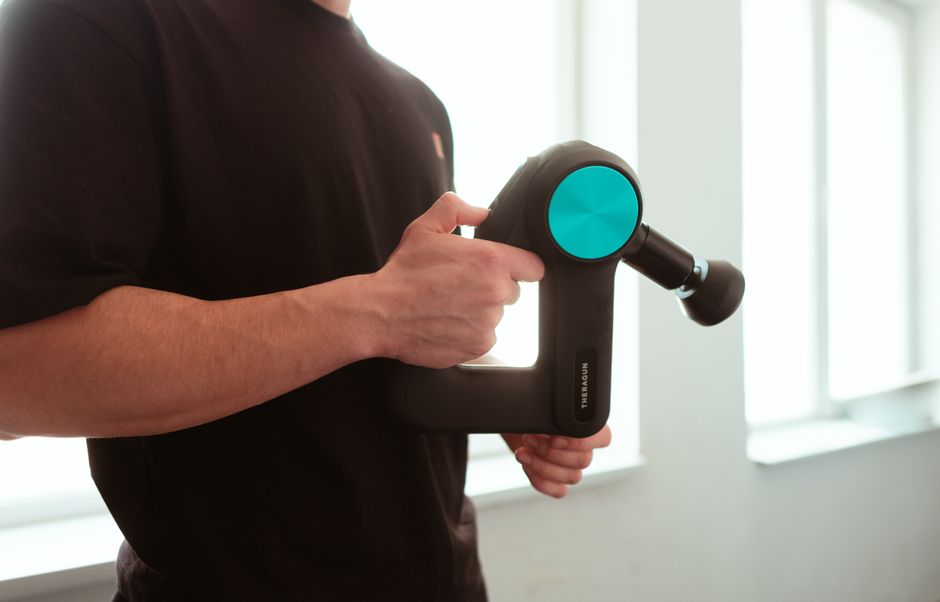
Red light therapy (RLT), also called photobiomodulation, uses specific wavelengths of red and near-infrared light — typically in the 630–850 nanometer range — to penetrate skin and underlying tissue. The proposed mechanism is that these wavelengths stimulate mitochondrial activity in cells, essentially giving your cellular energy production a nudge.

Photo by Tima Miroshnichenko on Pexels
In the context of strength training and recovery, the most consistently supported benefits in research include reduced muscle soreness, decreased markers of inflammation, and some evidence of improved tissue repair when applied before or after training sessions. Studies are generally more promising for localized treatment — think shining a device on a sore shoulder — than for full-body systemic effects.
The honest caveat: much of the research uses clinical-grade devices at specific doses. The consumer panels flooding the market vary wildly in power output and wavelength accuracy. A $200 panel and a $2,000 clinical device are not the same tool. If you're going to invest, look for devices that publish their irradiance data — watts per square centimeter at a given distance. That's how you compare apples to apples.
What Cold Plunges Actually Do
Cold water immersion (CWI) works through an entirely different pathway: acute physiological stress. When you submerge in cold water — generally defined in research as anything below 59°F (15°C) — your body triggers a cascade of responses. Blood vessels constrict, core temperature is protected, norepinephrine spikes sharply, and inflammatory signaling is temporarily suppressed.
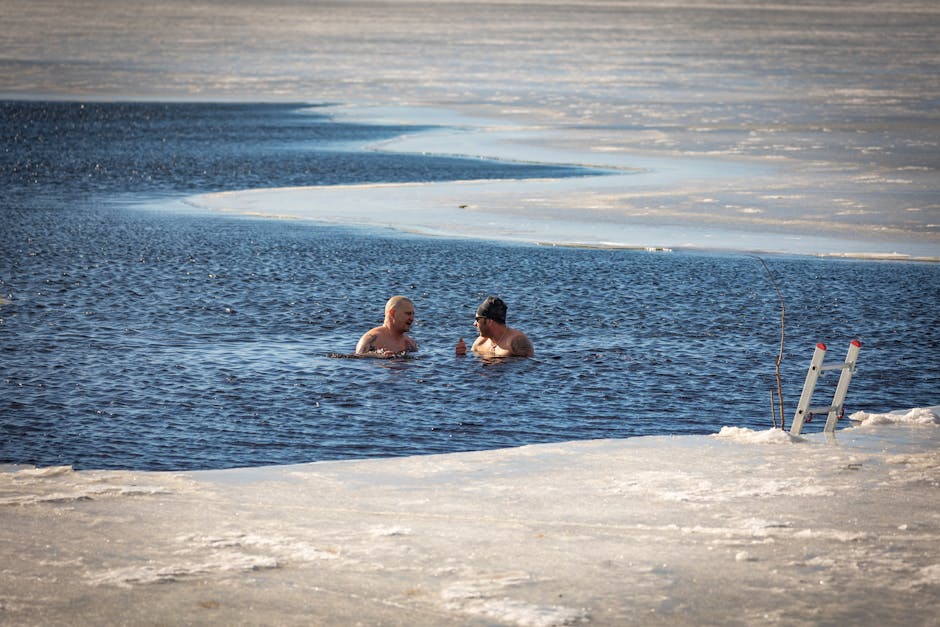
Photo by Olavi Anttila on Pexels
For recovery, this translates to reduced acute soreness and decreased perceived fatigue in the hours following a hard training session. Many lifters swear by it, and the subjective experience of feeling alert and refreshed afterward is real and well-documented.
But here's the nuance that often gets buried: cold exposure may blunt the very adaptations you're training for. Research has shown that regular post-training cold immersion can interfere with muscle protein synthesis and reduce long-term strength and hypertrophy gains. If you're a competitive lifter or actively trying to build muscle — which most people reading this are — that's a significant trade-off worth understanding.
Cold plunges are not inherently bad. Context determines their value entirely.
The Key Differences That Actually Matter for 50+ Lifters
Once you strip away the marketing, both tools have real but specific use cases — and they don't overlap as much as the wellness industry suggests.
Red light therapy is generally considered safe for daily use with no known interference with muscle adaptation. It may support tissue-level recovery, reduce joint discomfort, and improve sleep quality when used in the evening. For lifters dealing with chronic tendon issues, persistent soreness, or longer recovery windows — all common concerns after 50 — it's a lower-risk addition to your routine.
Cold plunges are more powerful acutely but carry the hypertrophy trade-off mentioned above. Where they genuinely shine: recovery between high-volume training days, reducing central nervous system fatigue, and — critically — the mental resilience practice. Voluntary cold exposure trains your nervous system to stay calm under stress, which has carryover benefits far beyond the gym.
For 50+ lifters specifically, there are also cardiovascular considerations. Cold immersion causes an immediate spike in heart rate and blood pressure. If you have any cardiovascular conditions or are on relevant medications, consult your physician before starting cold therapy. This isn't fear-mongering — it's just responsible information.
A Simple Framework to Choose What's Right for You
Stop asking which tool is better. Start asking which tool solves your specific problem.
Use red light therapy if:
- You want a passive, low-effort recovery method you can use daily
- You're focused on building muscle and don't want to risk blunting adaptations
- You have localized chronic pain, tendon issues, or joint discomfort
- Budget allows for a quality device (expect $300–$800 for a respectable mid-range panel)
Use cold plunges if:
- You have access to a plunge tub, cold lake, or even a chest freezer setup
- Your primary goal is performance recovery between hard sessions, not maximum hypertrophy
- You're drawn to the mental discipline aspect and want to build stress resilience
- You've cleared it with your doctor if you have any heart or blood pressure concerns
Use both if:
- You have the budget and access, and you time them strategically: cold plunges on high-volume days or deload weeks; red light on muscle-building training days
Use neither if:
- You're not yet consistently training, sleeping 7+ hours, eating enough protein, and managing stress. These are the foundations. No recovery gadget outperforms the basics.
The Honest Bottom Line on Cost vs. Benefit
Recovery tech can be a genuine performance tool — or it can be an expensive way to feel like you're doing something without addressing the real variables. Knowing the difference is what separates smart, sustainable training from chasing the next shiny object.
Red light therapy has a more favorable risk-to-benefit profile for most 50+ lifters who are actively building strength. The science is imperfect but directionally positive, and there's no known downside when used appropriately. The barrier is upfront cost and consistency — you need to actually use the device regularly to see any benefit.
Cold plunges are powerful but require more strategic thinking about timing. The soreness reduction is real. The blunting of muscle adaptation is also real. Use them intelligently or you may be recovering from your workouts while simultaneously undermining them.
Neither tool is magic. Both can add meaningful value when layered on top of a solid training program, quality sleep, and adequate nutrition. That sequencing matters. Get the foundation right first — then explore the upgrades.
The best recovery tool is ultimately the one you'll actually use consistently, that fits your goals, your budget, and your lifestyle. That answer looks different for everyone — and that's perfectly fine.
Conclusion
Recovery technology is a tool, not a transformation. Red light therapy offers a low-risk, muscle-friendly option for daily recovery support. Cold plunges offer powerful acute benefits but require smart timing to avoid undermining the gains you're working hard to build. Before you spend a dollar on either, make sure your sleep, nutrition, and training program are dialed in — because no gadget beats the basics. Pick the tool that fits your specific goals, use it consistently, and keep the main thing the main thing: showing up and doing the work. Strong today, strong tomorrow, strong for life.
Take the Next Step
Put the Knowledge
Into Action
Send a question or use the starter resources to plan your next practical step.