Pistol Squats for 50+: Build Serious Single-Leg Power
Think pistol squats are too advanced? These smart progressions make single-leg strength achievable at any age — and the payoff is real-world balance and power.
Fit Life 50+ Staff
Fitness and wellness resources for adults over 50
Think pistol squats are too advanced? These smart progressions make single-leg strength achievable at any age — and the payoff is real-world balance and power.
Why Pistol Squats Deserve Your Attention
The pistol squat is having a moment — and for good reason. This single-leg squat variation builds quad strength, hip stability, ankle mobility, and full-body balance simultaneously. That's a lot of functional return on one movement.
Here's the thing most people get wrong: they assume pistol squats are a party trick for gymnasts and CrossFit athletes. They're not. They're one of the most honest tests of lower-body strength and coordination you can do — no barbell, no machine, just you, one leg, and gravity.
For anyone in their 50s and beyond, that combination of qualities isn't just impressive — it's genuinely protective. The strength and proprioception you build working toward a pistol squat directly transfers to real-life situations: catching yourself on uneven terrain, rising from low furniture, navigating stairs with confidence.
The goal here isn't to show off. The goal is to own your body and build the kind of leg strength that keeps you moving freely for decades. That's the Longevity Over Ego approach — and pistol squats fit it perfectly.
Addressing the Joint Concerns Honestly
Before diving into progressions, let's talk about the elephant in the room: knees and hips. It's a fair concern. Pistol squats involve deep knee flexion under load, and if you've had surgery, chronic inflammation, or significant arthritis, you need to be thoughtful — not fearful, but thoughtful.

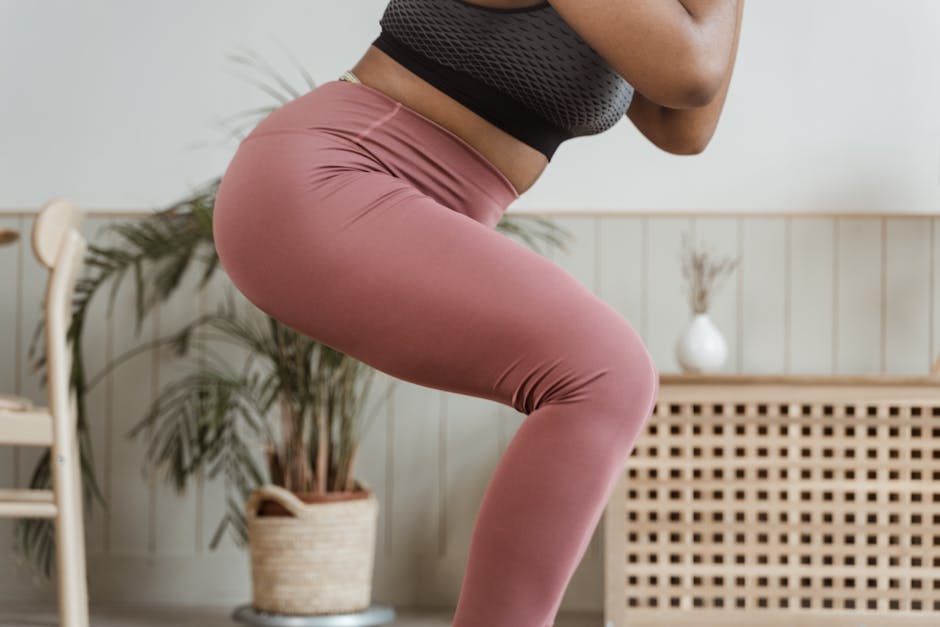
Photo by Funkcinės Terapijos Centras on Pexels
The good news is that most healthy joints respond well to progressive loading. Research consistently supports that controlled, progressive strength training protects joints rather than wearing them down. The problem isn't depth — it's unprepared depth. Going deep before your tissues are ready is what causes trouble.
That's exactly why we use regressions. Each step in the progression builds the specific strength and mobility required for the next. You never ask your joints to do something they haven't been prepared for.
Key principles to protect your joints throughout this process:
- Knee tracks over the second and third toe — never caving inward
- Heel stays flat on the floor as long as possible
- Movement is slow and controlled — especially on the descent
- Pain is a stop sign, discomfort is information
If you're post-surgical or managing a diagnosed condition, check with your physio before progressing. For most people, these regressions are exactly what joints need.
The Pistol Squat Progression: Start Here
There are four stages. Work each one until it feels solid before moving forward. There's no timeline — only readiness.
Stage 1: Assisted Box Squat to Single-Leg Stand Sit on a sturdy box or chair at knee height. Extend one leg out in front. Using both hands lightly on a wall or doorframe for support, press through your planted heel and stand up. Lower back down with control. This teaches the movement pattern without demanding full range or balance. Breathe out as you stand, in as you lower.
Stage 2: TRX or Band-Assisted Pistol Squat Hold a TRX strap or resistance band anchored at chest height. Lower yourself on one leg as deep as comfortable, using the band for just enough support to maintain control. This builds the full range of motion while letting you calibrate how much assistance you actually need. Aim for 3 sets of 5–6 reps per side.
Stage 3: Box Pistol Squat Stand on a box or step with your free leg hanging off the side. Squat down until your free heel nearly touches the floor, then drive back up. The hanging leg removes the floor restriction, making balance the primary challenge. Control is everything here.
Stage 4: Full Pistol Squat Arms extended forward for counterbalance. One leg straight out in front. Sit all the way down until your glute touches your calf — then drive through that heel and stand tall. You've earned this.
The Mobility Work That Makes This Possible
Strength alone won't get you to a pistol squat. Ankle dorsiflexion — the ability of your ankle to flex forward over your toes — is the hidden bottleneck for most people. Limited ankle mobility forces the heel to rise, which shifts load forward and puts excessive stress on the knee. Address this first and the rest gets dramatically easier.
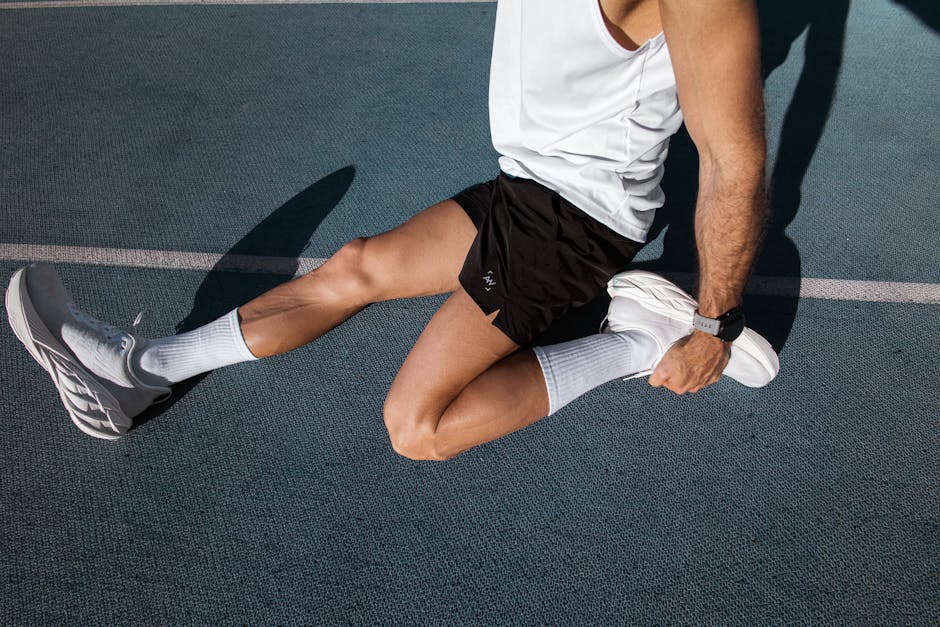
Photo by Wesley Davi on Pexels
Three mobility drills to do daily:
- Wall Ankle Stretch: Stand facing a wall, foot 4–5 inches away. Drive your knee toward the wall while keeping your heel flat. Hold 30 seconds per side.
- Deep Squat Hold: Feet shoulder-width, toes slightly out. Sit into the deepest squat you can hold with your heels down. Use a doorframe for support. Work up to 60 seconds.
- Hip 90/90 Stretch: Sit with both legs bent at 90-degree angles, one in front and one to the side. Hinge forward over the front shin. This opens the hip external rotation that single-leg squatting demands.
Spend 5–10 minutes on these before your lower body sessions. Within 4–6 weeks, most people notice meaningful improvement in squat depth and heel contact. Consistency here is the difference between spinning your wheels and making real progress.
Programming Pistol Squats Into Your Routine
Pistol squats are a skill movement, which means frequency matters more than volume. You're training your nervous system as much as your muscles.
Recommended approach for beginners to this movement:
- Practice your current progression 3 times per week
- Keep sets low: 2–3 sets of 4–6 reps per side
- Place them at the start of your lower body session when you're fresh
- Do NOT train through fatigue — quality collapses fast and that's when form breaks down
As you advance, you can add load — a light dumbbell held at chest or a goblet position works well — but resist the urge to load before your form is genuinely clean. A slow, perfect bodyweight pistol is worth far more than a sloppy weighted one.
Track your progress. Write down which stage you're on, how many reps felt controlled, and any form notes. Pistol squat progress can feel invisible week to week but dramatic month to month. The log keeps you honest and motivated.
Combine this work with a solid conventional squat and deadlift program. Pistol squats complement bilateral strength work — they don't replace it. Together, they create a lower body that's both powerful and resilient.
What You'll Actually Gain From This
Let's talk real-world payoff, because this isn't just about hitting an impressive movement in the gym.
The single-leg strength you build working through these progressions directly improves your ability to walk up inclines, recover from stumbles, step over obstacles, and move through uneven terrain without hesitation. These aren't abstract fitness outcomes — they're the difference between moving confidently through the world and starting to limit your activities out of caution.
Balance and proprioception — your body's sense of where it is in space — are trainable qualities that tend to decline with age if you don't actively work them. Pistol squat training is one of the most direct ways to challenge and rebuild that system.
You'll also notice a genuine carry-over to conventional lifts. Trainees who work through single-leg progressions typically see improvements in their bilateral squat mechanics because the unilateral work exposes and corrects asymmetries that bilateral training can mask.
The bottom line: working toward a pistol squat — at whatever stage you're currently at — builds the kind of functional, independent strength that compounds over time. Every rep is an investment in the version of yourself that's still moving freely at 70, 80, and beyond. That's not a fitness goal. That's a life goal.
Conclusion
You don't need to hit a perfect pistol squat on day one — or ever, if your body has limitations that make another stage more appropriate. What matters is engaging seriously with single-leg training and progressing deliberately. Pick the stage that challenges you without compromising your form, do the mobility work consistently, and trust the process. Start with Stage 1 this week. Three sets per side, three times. That's your one actionable takeaway. Strong today, strong tomorrow — one leg at a time.
Take the Next Step
Put the Knowledge
Into Action
Send a question or use the starter resources to plan your next practical step.