Pilates vs. Strength Training: What Actually Builds Muscle After 50
Pilates is trending thanks to celebrities, but is it effective? We cut through the hype with science-backed answers.
Fit Life 50+ Staff
Fitness and wellness resources for adults over 50
Pilates is trending thanks to celebrities, but is it effective? We cut through the hype with science-backed answers.
Why Everyone Suddenly Has a Pilates Membership
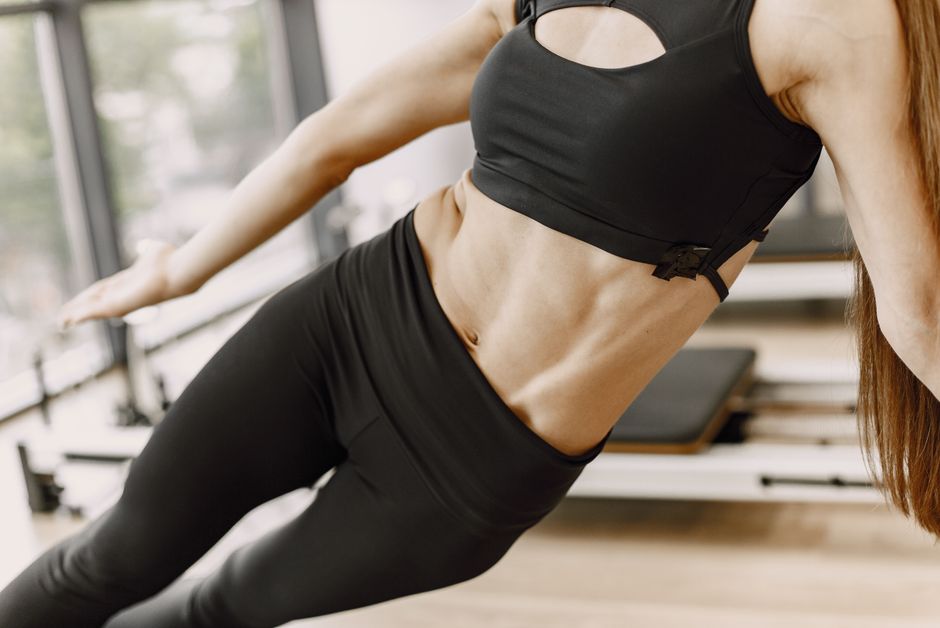
Hailey Bieber swears by it. Your favorite wellness influencer just posted their reformer selfie. Pilates studios are popping up faster than coffee shops, and the internet is fully convinced it's the ultimate body transformation tool.
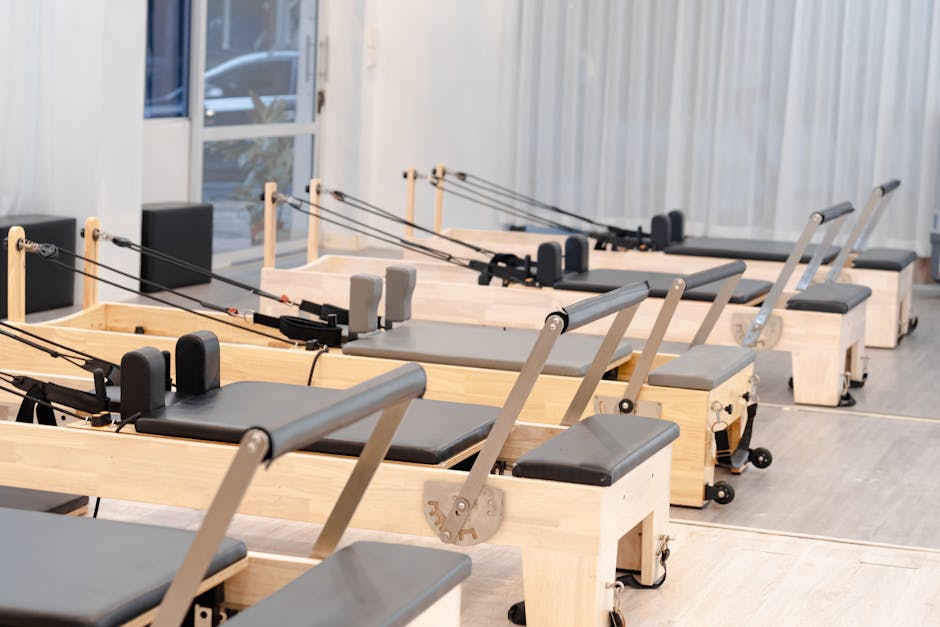
Here's the thing — pilates isn't new. It's been around since the 1920s, developed by Joseph Pilates as a rehabilitation and conditioning method. What is new is the marketing machine behind it, fueled by celebrity endorsements and aesthetically pleasing social media content.
None of that makes it bad. But it does mean you deserve a clearer, more honest answer than what a trending hashtag can give you — especially when your goal is building real, functional muscle that keeps you strong, independent, and active for decades to come.
Let's look at what the science actually says.
What Pilates Actually Does for Your Body
Pilates is a low-impact, movement-based discipline that emphasizes core stability, postural alignment, controlled breathing, and body awareness. Done consistently, it delivers genuine, measurable benefits — and dismissing it entirely would be intellectually dishonest.
Research consistently shows that pilates improves flexibility, balance, core endurance, and mobility — all of which matter enormously as we age. It can reduce lower back pain, sharpen your mind-muscle connection, and improve the quality of how you move in daily life.
However, the critical distinction is this: pilates primarily develops muscular endurance and control, not muscular hypertrophy (actual muscle growth). The resistance involved — whether bodyweight, springs, or resistance bands — is generally not sufficient to trigger the progressive mechanical tension your muscles need to grow larger and denser.
That doesn't make it worthless. It makes it a different tool for a different job. The question is whether it's the right tool for your primary goal.
The Science of Building Muscle After 50
After age 40, most people begin losing muscle mass at a rate of roughly 1–2% per year — a process called sarcopenia. Left unchecked, this gradual loss erodes strength, slows metabolism, increases injury risk, and compromises long-term independence.
The most well-established way to counter sarcopenia is progressive resistance training — systematically challenging your muscles with increasing load over time. This is the principle of progressive overload, and it works at every age. Studies in older adults consistently show that strength training increases muscle mass, improves bone density, enhances insulin sensitivity, and boosts functional performance.
The key mechanisms are mechanical tension and metabolic stress — and these require sufficient resistance to activate them. Your muscles need a reason to grow. When you consistently ask them to move more weight than they're comfortable with, they adapt by getting stronger and bigger.
Pilates spring resistance and bodyweight movements rarely deliver this threshold — especially for anyone with a training history. Strength training, done with proper form and smart programming, reliably does.
Can Pilates and Strength Training Work Together?
Absolutely — and this is where the conversation gets more nuanced and more useful.
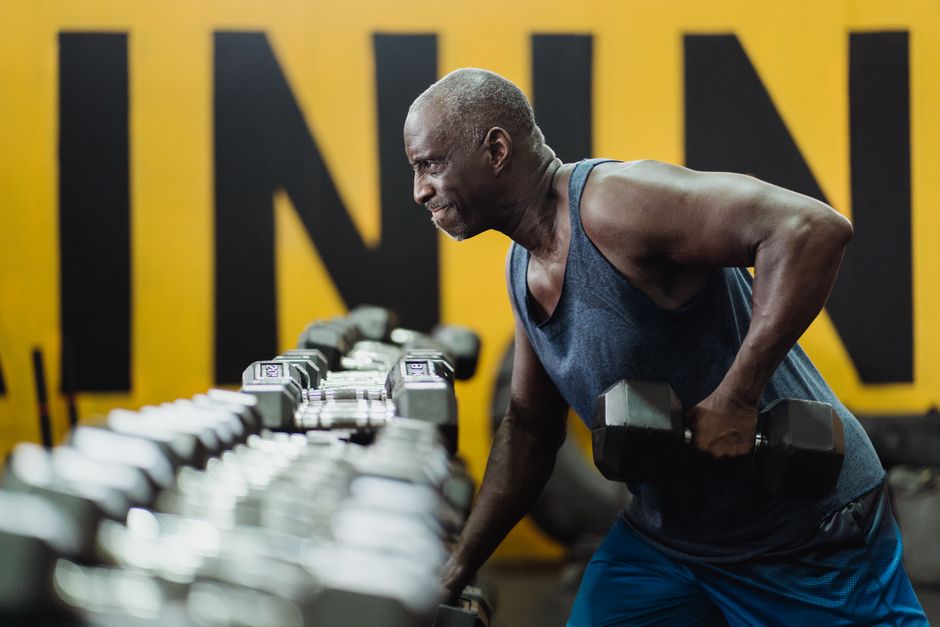
Photo by Ketut Subiyanto on Pexels
Pilates is an exceptional complement to a strength training program. Its emphasis on breathing mechanics, core activation, and joint mobility addresses many of the weak links that cause injuries in the weight room. A stronger, more coordinated core means better bracing during squats and deadlifts. Better hip mobility means safer, deeper movement patterns.
Think of pilates as sharpening the instrument. Think of strength training as playing it.
A smart weekly structure might look like this:
- 2–3 days of progressive strength training (compound lifts, resistance machines, or free weights)
- 1–2 days of pilates, yoga, or mobility work as active recovery
This combination covers all your bases — building and preserving muscle mass while maintaining the mobility and body awareness that keep your movement quality high. That's not compromise. That's intelligent programming.
The Honest Verdict: Which One Wins?
If your goal is to build and preserve muscle, increase bone density, boost metabolism, and protect your long-term independence — progressive strength training is not optional. It is the most evidence-supported tool we have for all of those outcomes, particularly after 50.
Pilates, for all its real benefits, is not a substitute. No amount of reformer work will replicate what picking up a challenging weight and putting it back down does for your muscle fibers, your hormonal environment, and your skeletal system.
But here's what celebrity fitness culture gets consistently wrong: framing these as competitors. They're not. Hailey Bieber doing pilates isn't the problem. The problem is when trend-driven content implies that pilates alone is sufficient for body composition goals — without acknowledging what the research clearly shows.
You're not here to follow trends. You're here to build a body that works well for the long haul. That requires honest information, not aesthetic inspiration.
Strong Today. Strong Tomorrow. Strong for Life.
Conclusion
Here's your one actionable takeaway: if you're not already doing dedicated progressive strength training at least twice a week, start there. Pilates can absolutely be part of your routine — and it's worth including — but treat it as a complement, not a replacement. Build your program around what the evidence supports, not what's trending on Instagram. Your future self doesn't care about reformer aesthetics. They care about being strong, capable, and independent at 70, 80, and beyond. That's the investment worth making.
Take the Next Step
Put the Knowledge
Into Action
Send a question or use the starter resources to plan your next practical step.