Empty Stomach Workouts: Are You Killing Your Gains?
Fasted training might work for cardio, but lifting on empty could cost you muscle. Here's what the science says about pre-workout nutrition and hypertrophy.

Fit Life 50+ Staff
Fitness and wellness resources for adults over 50
Fasted training might work for cardio, but lifting on empty could cost you muscle. Here's what the science says about pre-workout nutrition and hypertrophy.
The Fasted Training Myth We Need to Unpack
For years, fitness culture celebrated the early-morning fasted workout as the ultimate fat-burning hack. Wake up, skip breakfast, hit the gym. The logic sounded clean: no carbs available, so your body burns fat for fuel. Simple, right?

Photo by Victor Freitas on Pexels
Not quite. That idea was largely built on fasted cardio research — steady-state aerobic work where the body can, in fact, shift toward fat oxidation when glycogen stores are low. But here's where the myth falls apart: strength training is not cardio. The physiological demands are fundamentally different, and applying fasted-cardio logic to a heavy lifting session is where a lot of people quietly sabotage their own progress.
The real question isn't just about fat burning. It's about what your body needs to perform, protect muscle tissue, and recover from a demanding resistance training session. And the answer to all three points directly back to what you ate — or didn't eat — before you picked up that barbell.
What Actually Happens When You Lift Fasted
When you train in a fasted state, your body's glycogen stores — the primary fuel source for high-intensity muscular effort — are at their lowest. Your muscles are running on fumes before the first set even begins.
To compensate, the body ramps up a process called muscle protein catabolism — essentially breaking down existing muscle tissue to source amino acids for fuel. This is the exact opposite of what you're showing up to the gym to accomplish. You're trying to build muscle. Fasted training, in the context of strength work, can push the body into a net catabolic state before you've touched a weight.
Research in exercise physiology consistently shows that consuming protein and carbohydrates before resistance training supports greater muscle protein synthesis, better power output, and reduced markers of muscle breakdown. The pre-workout meal isn't a luxury — it's infrastructure.
This becomes even more critical as we get older. After 40, and especially after 50, the body becomes less efficient at synthesizing muscle protein from a given dose of amino acids — a phenomenon researchers call anabolic resistance. That means you can't afford to show up to your hardest training sessions running on empty.
Why This Hits Differently After 50
Here's the honest conversation the fitness industry doesn't always have: the metabolic environment inside your body at 55 is not the same as it was at 25. That's not a limitation — it's just biology, and understanding it is how you work smarter.
Anabolic resistance means the muscle-building signal triggered by training and protein intake is somewhat blunted compared to younger adults. This doesn't mean you can't build muscle — you absolutely can, and plenty of research confirms it. But it does mean that every variable you can control matters more, not less.
Pre-workout nutrition is one of those controllable variables. Skipping it doesn't just cost you a slightly suboptimal workout — it may actively work against the muscle-building and muscle-preserving goals that become increasingly important after 50. Sarcopenia, the gradual loss of muscle mass with age, is one of the most significant contributors to decreased mobility, metabolic slowdown, and reduced quality of life. Protecting and building muscle isn't vanity. It's longevity strategy.
Training fasted, chronically, puts unnecessary metabolic stress on a system that already requires more precise nutritional support to maximize its anabolic response.
What to Eat Before You Lift — and When
You don't need a massive pre-workout meal. In fact, training on a full stomach has its own drawbacks — sluggishness, cramping, digestive distress. The goal is strategic fueling, not gorging.
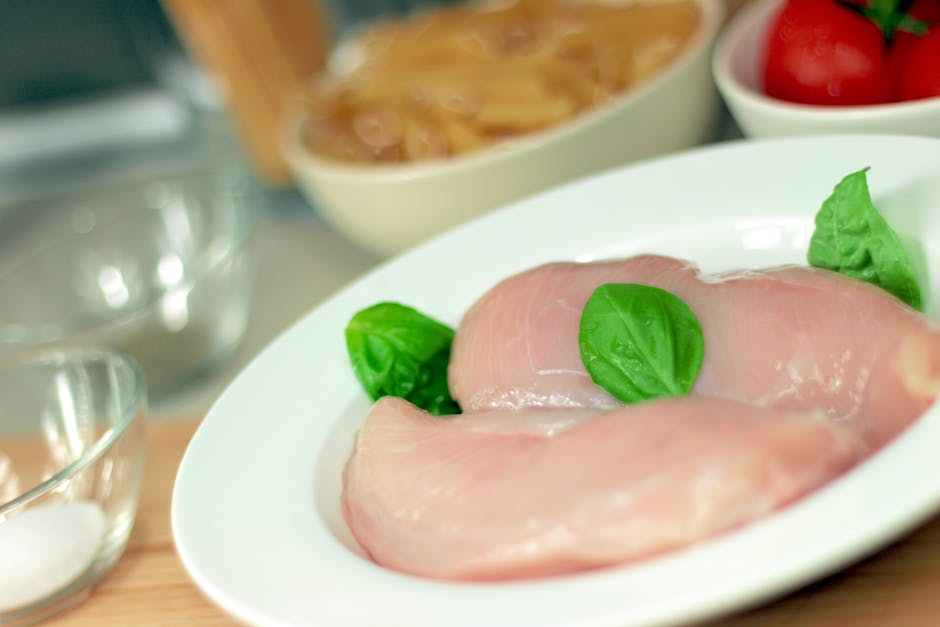
General timing guidelines:
- 2–3 hours before training: A balanced meal with moderate protein (25–40g), quality carbohydrates, and low fat works well for most people. Think chicken and rice, eggs with oats, or Greek yogurt with fruit.
- 60–90 minutes before training: A smaller, easily digestible option. A protein shake with a banana, cottage cheese with some crackers, or a small portion of lean protein with simple carbs.
- 30 minutes or less: If you're truly pressed for time, a fast-digesting protein source (whey protein, for example) with a quick carb like fruit juice or a rice cake can still make a meaningful difference over nothing.
The non-negotiables are protein and carbohydrates. Protein provides the amino acids needed to shift the body toward a more anabolic state. Carbohydrates replenish glycogen and spare that protein from being used as fuel — letting it do its actual job of supporting muscle.
Fat isn't harmful pre-workout, but it slows digestion, so keep it minimal when training within 60–90 minutes.
When Fasted Training Actually Makes Sense
Context matters in fitness — always. Fasted training isn't universally wrong. It's specifically misapplied when the goal is strength, hypertrophy, and muscle preservation.
If you're doing low-to-moderate intensity cardio — a morning walk, a light bike ride, a 30-minute zone 2 session — fasted training carries far less risk and may fit naturally into your schedule or lifestyle. The metabolic demands are lower, the muscle breakdown risk is reduced, and for some people, training in that state feels perfectly fine.
Some individuals also practice intermittent fasting for legitimate health or lifestyle reasons. If that's you, the practical solution isn't to abandon your routine — it's to time your training window to fall closer to a feeding period, or at minimum, consume a small protein source (even 20–25g of whey or essential amino acids) before hitting resistance work. That alone can meaningfully blunt the catabolic response.
The key principle here: match your nutrition strategy to your training demands. Easy cardio? Fasted is fine. Heavy compound lifts, strength circuits, or muscle-building sessions? Your body needs fuel before you ask it to perform and rebuild.
The Bottom Line on Timing, Consistency, and the Long Game
Pre-workout nutrition is one piece of a much larger picture. Total daily protein intake, sleep quality, training programming, stress management — these all matter enormously. If your overall nutrition is dialed in and you occasionally train fasted, the impact over the long term is probably modest.
But chronic fasted strength training, especially when combined with inadequate total protein intake, is a pattern that accumulates cost over time. Blunted performance session after session. Suboptimal recovery. Slower progress. And for anyone over 50 who is actively fighting to preserve or build lean muscle, those compounded losses are worth taking seriously.
The simplest mindset shift: think of your pre-workout meal as part of the workout itself. You wouldn't lift with broken equipment. Don't ask your muscles to perform and grow without providing the raw materials to do both.
This isn't about perfection — it's about making smarter, informed choices that compound in your favor over months and years. That's the entire point of training with longevity in mind.
Strong today. Strong tomorrow. Strong for life.
Conclusion
If you're showing up to lift and leaving the pre-workout meal behind, you're making your body work harder for smaller returns. The fix is straightforward: eat some protein and quality carbohydrates before you train. You don't need a full meal — you need strategic fueling. Start small. A protein shake and a piece of fruit 60 minutes before training is enough to shift your body from a catabolic state into a building state. Do that consistently, and over weeks and months, you'll feel the difference in your performance, your recovery, and your results. That's the investment.
Take the Next Step
Put the Knowledge
Into Action
Send a question or use the starter resources to plan your next practical step.