Do You Really Need Protein Powder to Build Muscle?
Skip the supplements aisle. Discover why whole food protein sources build muscle just as effectively — and what your body actually needs.

Fit Life 50+ Staff
Fitness and wellness resources for adults over 50
Skip the supplements aisle. Discover why whole food protein sources build muscle just as effectively — and what your body actually needs.
The Myth Keeping People Out of the Gym
Walk into any gym conversation about building muscle and protein powder will come up within minutes. Shaker bottles, tubs of whey, elaborate post-workout "windows" — the supplement industry has done a masterful job convincing people that building muscle requires buying their products first.
Here's the truth: protein powder is a convenience food, not a requirement. It is a processed supplement designed to make hitting your protein targets easier — nothing more, nothing less. The muscle-building signal in your body doesn't know whether the amino acids arrived via a chicken breast or a chocolate-flavored scoop of whey.
For beginners especially, this myth creates an unnecessary financial and mental barrier. If you're over 50 and thinking "I'll start lifting once I figure out the supplement stuff," stop waiting. Your whole foods grocery cart already has everything your muscles need to grow stronger. Let's clear the air once and for all.
What Protein Actually Does in Your Body
When you strength train, you create microscopic stress in your muscle fibers. Your body repairs and rebuilds those fibers slightly thicker and stronger than before — this is how muscle grows. Protein provides the raw materials, specifically amino acids, that make that repair process possible.

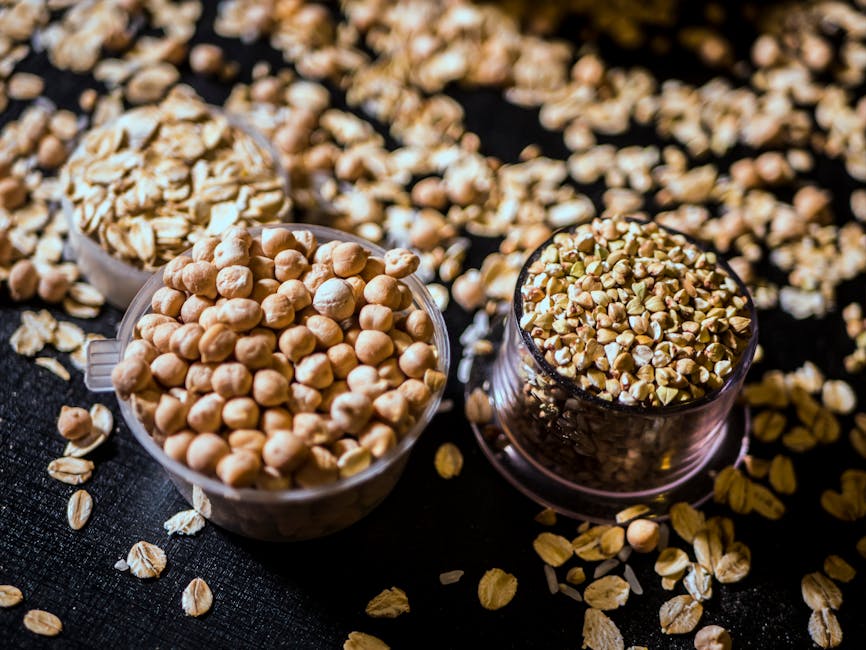
Photo by Vanessa Loring on Pexels
Your body doesn't store protein the way it stores fat or carbohydrates, so a consistent daily supply matters. Research consistently points to a general target of 0.7 to 1 gram of protein per pound of bodyweight as a practical range for active adults pursuing muscle growth — though individual needs vary based on age, training intensity, and overall health.
After 50, this becomes particularly relevant. Muscle protein synthesis becomes slightly less efficient with age, which means adequate daily protein intake supports not just growth but preservation of the muscle you already have. That's not a reason to panic — it's a reason to be intentional. And intentional eating starts at the dinner table, not the supplement store.
Whole Food Protein Sources That Actually Deliver
The variety and potency of whole food protein sources is genuinely impressive — and budget-friendly. Here are some reliable options to build your meals around:
- Eggs — roughly 6g per egg, complete amino acid profile, incredibly versatile
- Chicken breast — approximately 25–30g per 3.5 oz serving
- Canned tuna or salmon — 20–25g per can, affordable and shelf-stable
- Greek yogurt — 15–20g per cup, plus gut-healthy probiotics
- Cottage cheese — 25g per cup, slow-digesting casein protein ideal before bed
- Lentils and beans — 15–18g per cooked cup, high fiber, plant-based
- Tofu and tempeh — 15–20g per serving, complete protein for plant-based eaters
- Lean beef or pork — 22–26g per 3 oz serving
Notice anything? None of those require a subscription, a blender, or a credit card number. A can of tuna costs less than a dollar and delivers more protein than most half-scoops of powder. Whole foods also come bundled with vitamins, minerals, and fiber that protein powders simply can't replicate.
So When Does Protein Powder Actually Make Sense?
Let's be fair — protein supplements aren't useless. They earn their place in specific situations.
Convenience is the strongest argument. If you're rushing between work and the gym and haven't eaten in hours, a protein shake is infinitely better than skipping protein entirely. For people with smaller appetites who struggle to hit their daily targets through food alone, a supplement can bridge the gap without forcing uncomfortable volumes of eating.
Protein powder also works well post-workout when appetite is suppressed — a common experience after intense training. A liquid source digests quickly and can feel easier to get down than a full meal.
The key word is supplement — meaning it supplements an already solid whole-food foundation. It should never be the cornerstone of your nutrition strategy. If you're choosing between groceries and a tub of protein powder this month, buy the groceries every single time. Chicken, eggs, and Greek yogurt will serve your muscles better than any flavored powder sitting in a pantry.
Building Your Protein Habit — Practically and Sustainably
Knowing your protein targets means nothing if the habit doesn't stick. Here's how to make consistent protein intake feel effortless rather than obsessive.
Anchor protein to every meal. Breakfast might feel like the hardest — but two eggs plus some Greek yogurt can put you 30–40g ahead before 9am. Lunch and dinner become much less stressful when breakfast does its share.
Batch cook your proteins. Grill a full tray of chicken breasts on Sunday. Hard-boil a dozen eggs. Drain and portion canned tuna into small containers. When high-protein food is already prepared and waiting in the fridge, the choice becomes easy.
Don't stress perfection. Hitting your protein target within a reasonable range most days of the week will produce results. Obsessing over exact grams daily is neither necessary nor sustainable long-term.
Remember, the goal here is a lifestyle you can maintain for decades — not a 30-day challenge. Consistency built on simple, affordable whole foods will always outperform an expensive supplement routine you abandon after three months. Strong Today... Strong Tomorrow... Strong for Life — and it starts with real food.
Conclusion
You do not need protein powder to build muscle. You never did. What you need is consistent strength training, adequate daily protein from real foods, and enough patience to let the process work. Whole food sources — eggs, chicken, fish, dairy, legumes — deliver everything your muscles need to grow and recover at any age. The actionable takeaway is simple: before your next workout, plan one high-protein meal using whole foods. Just one. Build that habit, and the results will follow. Your muscles don't care about the source — only that the protein showed up.
Take the Next Step
Put the Knowledge
Into Action
Send a question or use the starter resources to plan your next practical step.