Cold Plunges for Lifters: One Critical Timing Change
Cold plunges aid recovery but may blunt muscle growth. Learn the one timing tweak lifters need to keep gains and still reap the benefits.

Fit Life 50+ Staff
Fitness and wellness resources for adults over 50
Cold plunges aid recovery but may blunt muscle growth. Learn the one timing tweak lifters need to keep gains and still reap the benefits.
The Cold Plunge Craze Has a Hidden Problem
Cold water immersion is everywhere right now. Athletes, influencers, and weekend warriors are dunking themselves in ice barrels and cold tubs like it's the ultimate recovery ritual. And honestly, the appeal makes sense — that sharp, clarifying shock of cold water feels productive. It feels like doing something.
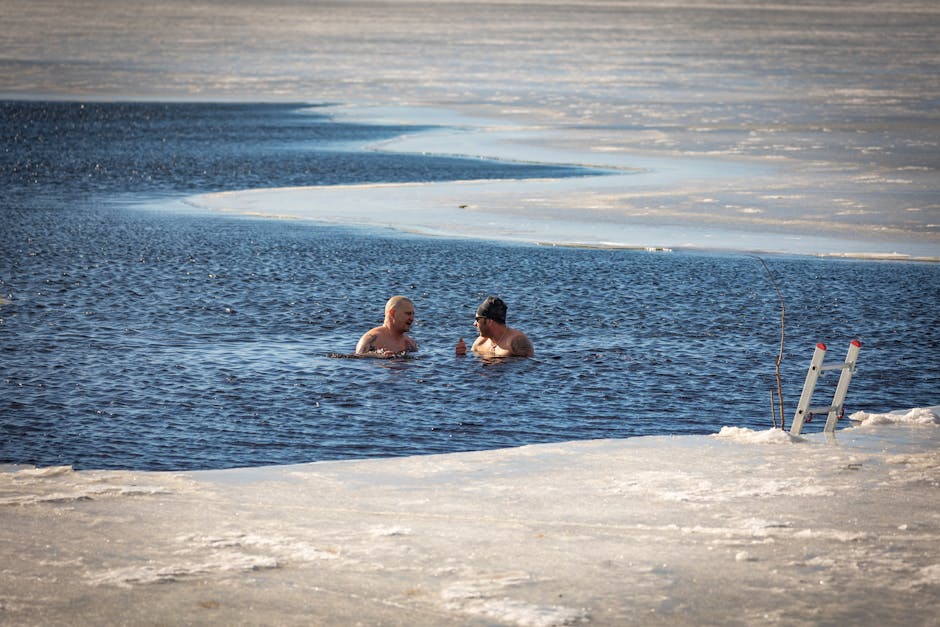
Photo by Olavi Anttila on Pexels
But if you're lifting weights specifically to build muscle and strength, there's a problem hiding inside that feel-good recovery hack.
Research over the past several years has consistently pointed to one uncomfortable finding: cold water immersion immediately after resistance training may interfere with the very cellular processes that drive muscle growth. We're not talking about a marginal rounding error — the effect appears meaningful enough that serious lifters should pay attention.
This doesn't mean cold plunges are useless. Far from it. It means the timing of when you use them matters far more than most people realize. And once you understand why, the fix is simple.
What the Science Actually Shows
When you train hard with weights, you create controlled stress in your muscle fibers. Your body responds by triggering a cascade of inflammatory and anabolic signals — including activation of pathways like mTOR — that ultimately lead to repair, adaptation, and growth. This post-workout inflammation isn't a bug. It's a feature.
Cold water immersion is highly effective at reducing inflammation and flushing metabolic waste. That sounds great until you realize you're also potentially dampening the very inflammatory signals your body needs to kick off the muscle-building process.
Studies comparing lifters who use cold immersion immediately post-workout versus those who don't have found measurable differences in muscle hypertrophy and, in some cases, strength gains over time — favoring the group that skipped the cold plunge. The effect seems most pronounced with regular, consistent use right after training sessions.
The key phrase here is immediately after. That's the window where the interference appears to matter most. Change that window, and the equation changes significantly.
The One Change That Fixes Everything
The solution isn't to quit cold plunges. The solution is to wait.
Most researchers and coaches who've studied this topic suggest waiting at least four to six hours after your resistance training session before doing cold water immersion. This gives your body enough time to begin the anabolic signaling process — letting the muscle-building machinery get into gear — before you apply the cold brake.
For most lifters, this is genuinely easy to implement. Train in the morning, cold plunge in the evening. Or train early afternoon and plunge before bed. The recovery and sleep benefits of cold immersion remain intact. The blunting of muscle protein synthesis is largely avoided.
Alternatively, if same-day cold plunges are non-negotiable for you, consider limiting immersion time and keeping water temperatures less extreme. Brief, moderate cold exposure appears to carry less hypertrophy interference than prolonged, very cold sessions.
The bottom line: timing is the lever. Pull it in the right direction and you keep all the benefits without sacrificing your gains.
What Cold Plunges Are Actually Good For
Let's be clear — cold water immersion has real, legitimate benefits. Dismissing it entirely would be throwing out a useful tool because of a calibration issue.
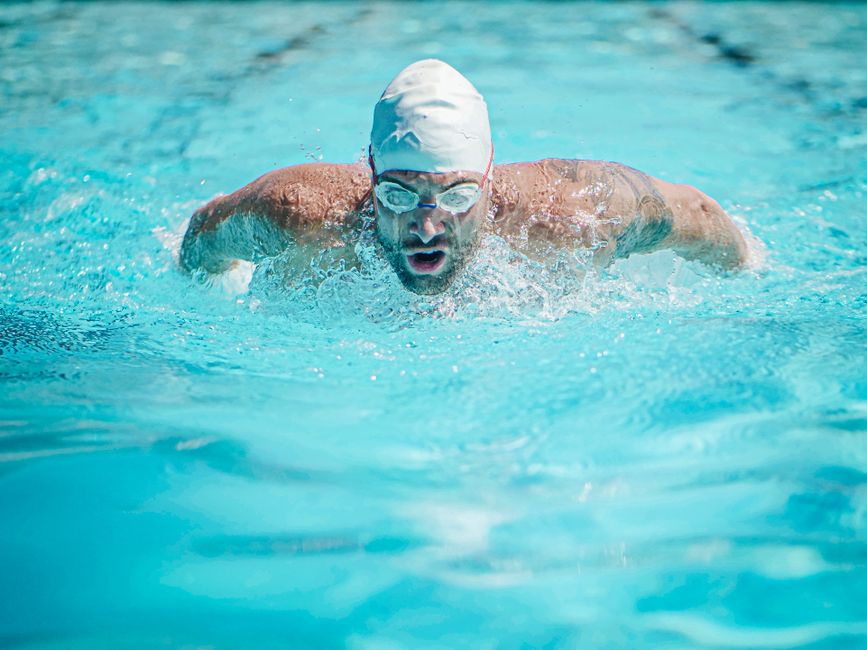
Photo by Kindel Media on Pexels
Research supports cold immersion for reducing delayed onset muscle soreness (DOMS), improving perceived recovery, and supporting psychological readiness for your next session. If you're an endurance athlete, a team sport competitor, or someone training multiple times per day, cold plunges can help you bounce back faster between bouts — and in those contexts, some blunting of hypertrophy adaptation is an acceptable trade-off.
Cold exposure also has documented effects on mood, alertness, and stress resilience — benefits that aren't tied to your post-lift window at all. A cold plunge on a rest day? No conflict whatsoever.
The point isn't that cold plunges are bad. The point is that tools work best when used correctly. A hammer is excellent — just don't use it where you need a screwdriver.
How to Build This Into Your Routine
Practical application matters more than perfect theory. Here's how to actually structure this:
If you train in the morning: Save your cold plunge for the evening — at least 6 hours post-session. This pairs well with winding down before sleep, since cold exposure followed by rewarming can support deeper sleep for many people.
If you train in the evening: Consider moving cold plunges to the morning on training days, or switch to rest day cold exposure entirely.
If you're sore and struggling: A shorter, less intense cold exposure (think cool shower or a brief 3–5 minute immersion at moderate temperature) is a reasonable compromise when you genuinely need relief and timing doesn't line up perfectly.
On rest days: Use cold plunges freely. This is arguably the ideal time — you get all the inflammation-management and mood benefits with zero interference to the muscle-building process.
Consistency in your lifting always outweighs any single recovery intervention. Keep that as your north star.
The Bigger Lesson: Question Trending Recovery Tools
The cold plunge timing issue is a useful reminder that trending doesn't equal optimal. Recovery culture moves fast, and social media has a way of presenting something that works for one athlete in one context as a universal prescription for everyone.
This isn't unique to cold plunges. The same critical lens applies to compression gear, infrared saunas, stretching timing, and supplement windows. Context always matters. Your goal, your training type, your recovery schedule — these determine what tools make sense and when.
For lifters who care about building genuine strength and muscle over the long haul, the principle is straightforward: protect the adaptive response first. Recovery tools are there to support your training, not compete with it.
Strong Today, Strong Tomorrow, Strong for Life isn't about chasing every new biohack. It's about understanding your body well enough to make smart, sustainable decisions — decade after decade. That kind of longevity-minded thinking is what separates lifters who keep progressing from those who plateau chasing shortcuts.
Conclusion
Cold plunges can absolutely have a place in your recovery toolkit — just not in the two-to-four hours immediately after your resistance training session. Wait at least four to six hours post-lift before immersing, or save your cold exposure for rest days entirely. That one timing adjustment lets you keep the soreness relief, the mood boost, and the recovery benefits while protecting the muscle-building signals your hard work earned. Train smart, recover smarter. Your future self will thank you for it.
Take the Next Step
Put the Knowledge
Into Action
Send a question or use the starter resources to plan your next practical step.