Cold Plunge Timing: Are You Killing Your Gains?
Cold plunges can accelerate recovery or sabotage muscle growth depending on timing. Learn the science behind cold exposure and when to actually use it.

Fit Life 50+ Staff
Fitness and wellness resources for adults over 50
Cold plunges can accelerate recovery or sabotage muscle growth depending on timing. Learn the science behind cold exposure and when to actually use it.
The Cold Plunge Craze Is Real — But So Is the Confusion
Scroll through any fitness feed right now and you'll find someone dunking themselves in an ice bath, swearing it's the secret to faster recovery, sharper focus, and superhuman performance. Cold water immersion has exploded in popularity, and for good reason — the sensation is intense, the mental toughness angle is compelling, and some of the benefits are genuinely backed by research.
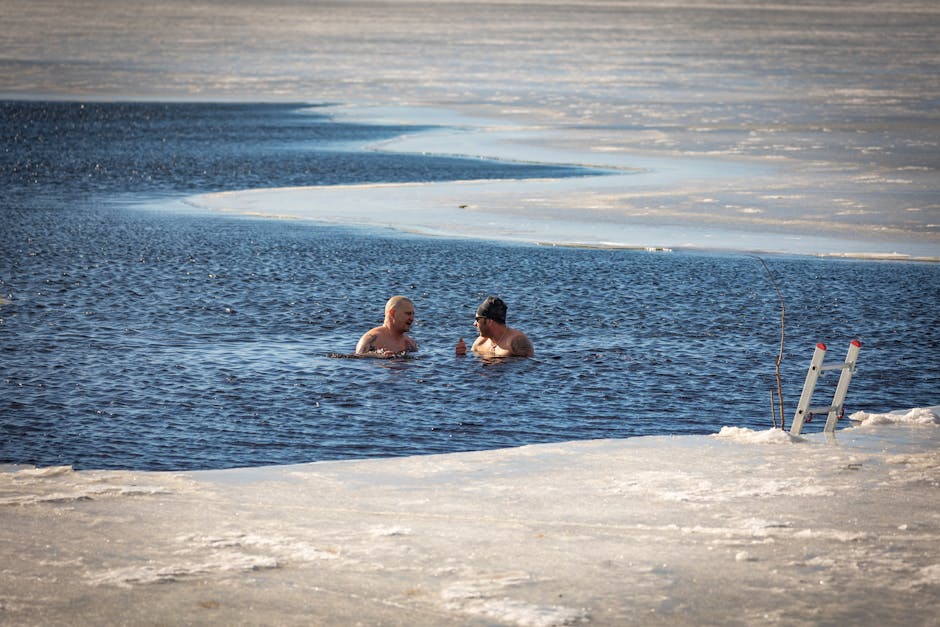
Photo by Olavi Anttila on Pexels
But here's where it gets complicated: not all cold exposure is created equal, and the timing of when you plunge relative to your training can either support your goals or quietly work against them.
If building muscle and strength is your priority — and for most people reading this, it is — then treating cold plunges as a casual wellness ritual without understanding the mechanics is a missed opportunity at best, and a counterproductive habit at worst.
This isn't about fear-mongering or telling you to quit your ice bath. It's about using it strategically. Because smart training means every tool in your recovery kit should be working for you, not against you.
What Cold Water Actually Does to Your Body
When you submerge in cold water — typically defined as below 60°F (15°C) — your body triggers a rapid physiological response. Blood vessels constrict, core temperature drops, and your nervous system lights up with a stress response that floods your system with norepinephrine.
That vasoconstriction is the key mechanism behind cold water's recovery appeal. It temporarily reduces blood flow to muscles, which limits swelling and blunts the inflammatory response that follows intense training. Less inflammation sounds like a win — and in certain contexts, it is.
Here's the nuance most people miss: acute inflammation after resistance training isn't the enemy. It's actually part of the signaling process that tells your muscles to adapt and grow. Research consistently shows that satellite cells — the repair crew responsible for muscle remodeling — are activated by that post-training inflammatory environment.
Cold water can also reduce delayed onset muscle soreness (DOMS), flush metabolic waste, and improve the perception of recovery. These are real benefits. The question is simply: when do you cash in on them without sacrificing the adaptation process you just worked hard to trigger?
Pre-Workout Cold Exposure: A Legitimate Use Case
Using cold water before training is an entirely different conversation — and it's largely a positive one. A brief cold shower or short cold immersion before a session has been shown to improve alertness, increase mental arousal, and help regulate core temperature during subsequent exercise in hot conditions.
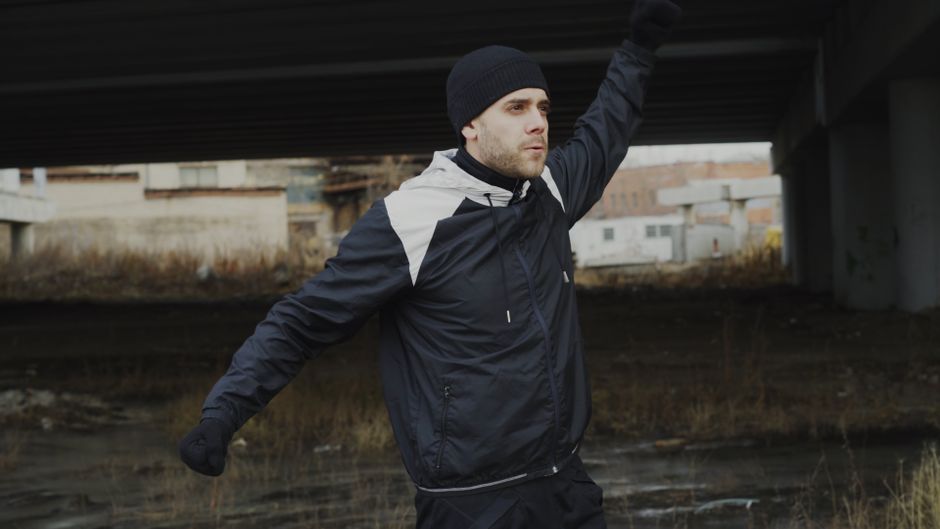
Photo by Vitaly Gariev on Pexels
The key word is brief. A 2-3 minute cold shower or a short plunge before training can sharpen your focus without meaningfully impairing muscle function. You're not trying to reduce inflammation here — you haven't created any yet. You're using the neurological jolt of cold exposure to prime your nervous system.
Some athletes also use cold exposure before training as a mental conditioning tool. There's real value in regularly doing something uncomfortable — it builds the psychological resilience that carries over into hard sets and heavy lifts.
Just avoid extended cold immersion immediately pre-workout. Significantly lowering muscle temperature before lifting can reduce force production and coordination. A cold plunge is not a warm-up. Keep it short, stay sharp, then go move some weight.
Post-Workout Cold Plunges: The Timing Window That Matters
This is where the real debate lives. Cold water immersion after training is the most common use case — and the one most likely to interfere with muscle growth if done carelessly.
The research picture here is nuanced but consistent on one key point: cold water immersion in the hours immediately following a strength training session can blunt hypertrophy signals. Studies have found reductions in muscle protein synthesis and diminished activation of key anabolic pathways when cold immersion follows resistance work too closely.
This doesn't mean post-workout cold plunges are useless or harmful — it means timing matters. The general guidance emerging from sports science research suggests waiting at least 4-6 hours after a strength session before cold immersion if maximizing muscle growth is your goal.
On the other hand, if you trained this morning and you're not hitting the gym again for 24+ hours, a cold plunge later in the day is far less likely to interfere with your gains and may genuinely reduce soreness and accelerate readiness for your next session.
Context is everything. Competitive athletes managing high training volumes often prioritize recovery speed over maximizing every hypertrophy signal — and for them, regular cold exposure may be the smarter trade-off.
When Cold Plunges Actually Shine for Recovery
Let's give cold water immersion its proper credit, because it earns it in the right scenarios.
For endurance athletes, cold exposure post-training carries far less risk of blunting gains because the adaptation targets are different — cardiovascular efficiency, not myofibrillar hypertrophy. If your primary training is running, cycling, or rowing, cold plunges can be a legitimate and effective recovery tool without the same trade-offs.
For anyone managing high training frequency — think five or six sessions per week — cold immersion can help clear soreness and restore readiness faster than passive rest alone. When your schedule demands you perform again tomorrow, recovery speed outweighs optimization of any single session's anabolic response.
Cold exposure also has well-documented effects on mood, mental resilience, and stress regulation. Regular cold plunges have been linked to improved tolerance of discomfort and reduced anxiety markers. For anyone who struggles with training motivation or mental fatigue, that psychological edge is a real, tangible benefit worth considering.
Finally, cold water can be particularly useful after events or competitions — situations where muscle repair speed matters more than maximizing future growth from that specific performance.
Practical Guidelines: How to Use Cold Plunges Without Sabotaging Gains
Here's how to integrate cold water immersion intelligently, no matter where you are in your fitness journey:
If muscle growth is your primary goal:
- Avoid cold immersion for at least 4-6 hours after strength training
- Use cold exposure on rest days or well after your training window
- Keep pre-workout cold exposure short (2-3 minutes max)
If recovery speed is the priority:
- Post-workout cold immersion (10-15 minutes at 50-59°F / 10-15°C) can reduce DOMS and restore readiness
- Best used when training frequency is high or competition season demands performance turnover
General best practices:
- Don't use cold plunges as a substitute for sleep, nutrition, or progressive programming — they're a supplement to those fundamentals, not a replacement
- Build tolerance gradually; you don't need brutal temps to get the benefit
- Consistency matters more than temperature extremes
The bottom line is that cold plunging is a tool, not a protocol. Used at the right time, it's a legitimate performance and recovery asset. Used blindly, it can quietly work against the adaptations you're training hard to build. Know your goal. Match your tools to that goal. Adjust as needed.
Conclusion
Cold plunges aren't hype — but they're not magic either. The science is clear enough to act on: if you're chasing strength and muscle, give your body that post-training inflammatory window to do its job before you cool it down. Wait 4-6 hours, or save your plunge for rest days. If recovery speed is the mission, cold water earns its place in your toolkit. Your one actionable takeaway: this week, audit when you're using cold exposure relative to your training, and align it with your actual goal. Strong today, strong tomorrow — and smart enough to know the difference.
Take the Next Step
Put the Knowledge
Into Action
Send a question or use the starter resources to plan your next practical step.