Cardio Before or After Lifting?
Cardio before or after lifting? Get the science-backed answer on workout order for maximum muscle growth, strength, and smart recovery.

Fit Life 50+ Staff
Fitness and wellness resources for adults over 50
Cardio before or after lifting? Get the science-backed answer on workout order for maximum muscle growth, strength, and smart recovery.
The Question That Won't Die
Walk into any gym and you'll find people who swear by cardio first, others who won't touch a treadmill until they've racked their last rep, and a few who just do whatever feels right that day. Everyone has an opinion. Very few have a reason.
This isn't a trivial debate. Workout order directly affects how hard you can train, how well your muscles respond, and — critically — how well you recover. Get it wrong consistently and you're leaving gains on the table. Get it right and every session becomes more productive.
The good news: exercise science has studied this extensively. There's no longer any need to guess. The answer depends on your primary goal, and once you understand the underlying mechanism, the right choice becomes obvious — and surprisingly simple to apply.
What Happens Inside Your Body When You Train
Before the verdict, you need to understand why order matters at all. It comes down to energy, fatigue, and a concept called interference effect.
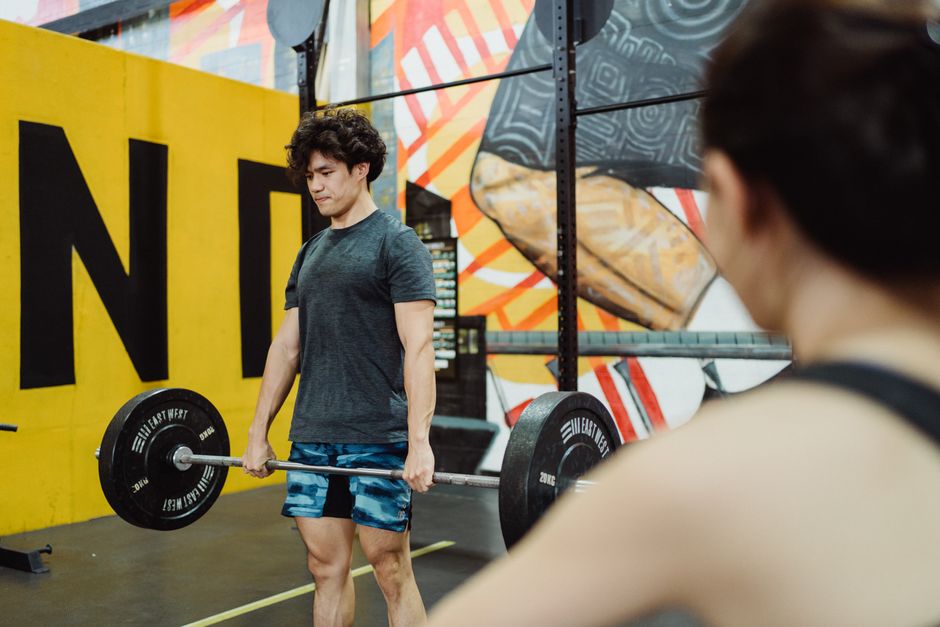
Photo by Ketut Subiyanto on Pexels
Strength training draws primarily on your phosphocreatine and glycolytic energy systems — short, powerful bursts. Endurance cardio taps your aerobic system and depletes glycogen (stored muscle fuel) over time. When you run one before the other, the first activity doesn't just tire your muscles — it changes your hormonal environment, alters neural drive, and drains the very fuel the second activity needs.
Research consistently shows that performing sustained cardio before lifting reduces force output, power, and the number of quality reps you can complete during your strength session. In plain terms: your lifts suffer. And compromised lifting means a compromised signal for muscle growth.
On the flip side, lifting first leaves your aerobic system largely intact. Your cardio performance after weights takes a smaller hit than your strength performance takes after cardio. That asymmetry is the key to the whole argument.
The Verdict: Lift First, Almost Every Time
If building strength and muscle is your primary goal — which it should be for anyone serious about long-term health and function — lift before you do cardio.
Here's the practical reasoning:
- Fresh nervous system = heavier loads. Strength gains are largely neurological. A fatigued nervous system can't recruit muscle fibers as effectively, which means lighter weights and fewer productive reps.
- Hormonal environment matters. Heavy compound lifting triggers a favorable anabolic hormone response. Doing it when you're already depleted blunts that response.
- Cardio after lifting still gets done effectively. A moderate cardio session after lifting — 20 to 30 minutes at a sustainable pace — is entirely productive. You burn fat, train your cardiovascular system, and actually use the elevated heart rate from lifting as a warm-up advantage.
The one exception worth noting: if your primary goal is endurance performance — training for a race, for example — then cardio takes priority and lifts move to second. Your training order should always reflect your actual goal hierarchy.
The 50+ Factor: Recovery Isn't Optional
Here's where workout order becomes especially important for athletes in their 50s, 60s, and beyond. Recovery capacity naturally changes with age — not because you're fragile, but because your body's anabolic signaling, sleep quality, and hormonal output work differently than they did at 25. That means every session has to count.
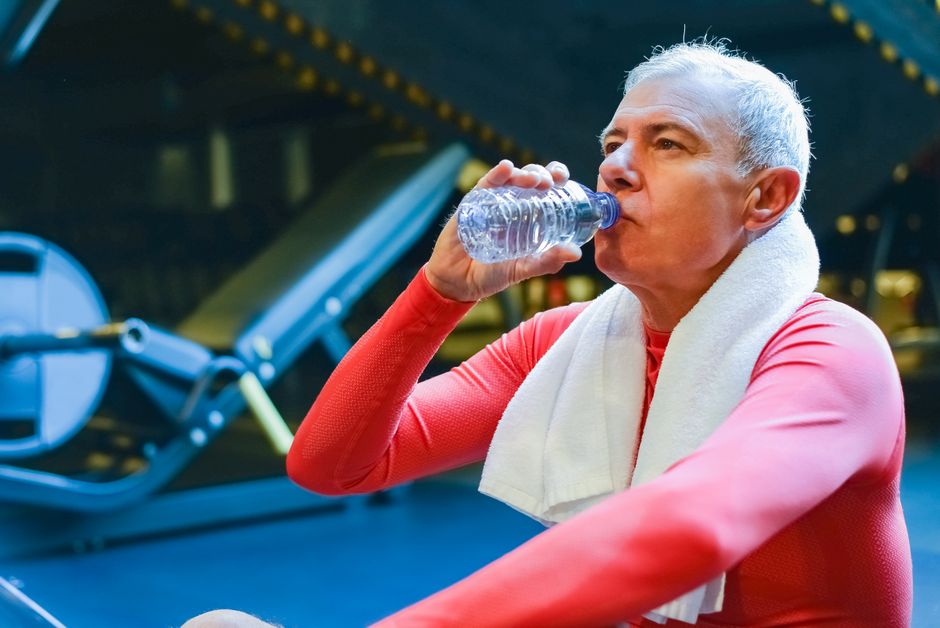
Photo by Kampus Production on Pexels
Doing cardio first and arriving at your squat rack pre-fatigued isn't just inefficient — it increases injury risk. Compromised form under load is where real damage happens. And if a tweaked knee or strained lower back puts you out for six weeks, no amount of cardio-first logic is worth it.
The flip side is equally important: cardio after lifting, done right, actively supports recovery. Light to moderate post-lift cardio increases blood flow to worked muscles, accelerates clearance of metabolic waste, and can reduce next-day soreness. Think of it as active recovery built into your session rather than a separate burden.
The takeaway for the 50+ athlete is clear: protect your strength work, support your recovery, and structure every session with intention.
How to Structure Your Sessions in Practice
Knowing the principle is one thing. Building it into your actual training week is another. Here's a practical framework:
On strength-focused days: Warm up with 5–10 minutes of light movement — dynamic stretching, a brisk walk, or easy cycling. This is not cardio training; it's joint preparation. Then lift. After your final set, if you have time and energy, add 15–25 minutes of moderate-intensity cardio. Walking incline, cycling, or rowing all work well and are joint-friendly.
On cardio-focused days (if you train them separately): Go for it. Run, cycle, swim, row — whatever you enjoy. Keep intensity honest and duration appropriate to your current fitness level.
On full-body or hybrid days: Lift first, every time. Even if cardio is a bigger chunk of the session, completing your compound lifts — squats, deadlifts, presses, rows — while fresh protects your form, your joints, and your results.
One practical note on breathing: during strength work, exhale on the exertion (the hardest part of the lift) and inhale on the return. During cardio, find a natural rhythm that lets you maintain conversation pace — this is a reliable indicator of sustainable aerobic intensity.
The One Time You Can Break the Rule
No rule is absolute, and rigid thinking has no place in smart training. There are legitimate scenarios where cardio before lifting makes sense — or at least won't hurt you significantly.
If the cardio is truly light: A 10-minute easy walk or gentle cycling at very low intensity is basically an extended warm-up. It won't meaningfully deplete glycogen or fatigue your nervous system. This is different from a 45-minute tempo run.
If they're separated by several hours: Morning cardio followed by afternoon lifting gives your body enough time to refuel and recover. The interference effect shrinks dramatically when there's a 4–6 hour gap between sessions.
If you genuinely enjoy it and it keeps you consistent: The best training program is the one you actually follow. If you've been running first for years, feel great, and your strength numbers are climbing — don't blow up your routine over an optimization that might only matter at the margins.
The goal is always progress, not perfection. Use the science as a guide, not a cage. Adjust based on how your body responds, and keep the long view front and center: longevity over ego, always.
Conclusion
The science is clear: if strength and muscle are your goals, lift first. Protect your best energy for your most important work, then use post-lift cardio to support cardiovascular health and recovery. For anyone training past 50, this isn't just an optimization tip — it's an injury-prevention and recovery strategy worth taking seriously. Your one actionable takeaway: starting with your next session, move all sustained cardio to after your lifts and track your strength performance for four weeks. The numbers will make the case for you. Strong today, strong tomorrow, strong for life.
Take the Next Step
Put the Knowledge
Into Action
Send a question or use the starter resources to plan your next practical step.