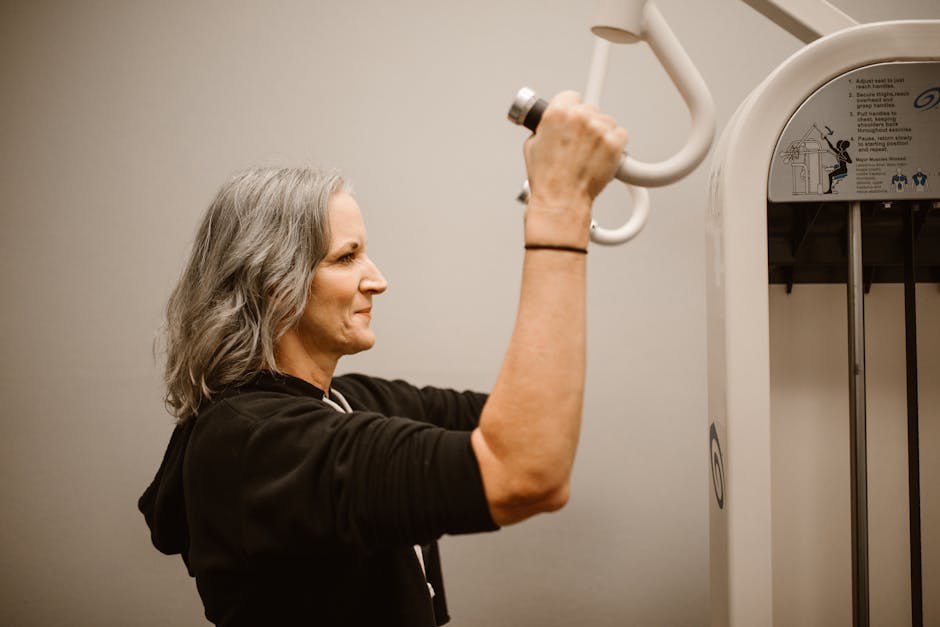
Balance training isn't just for injury prevention — it's one of the smartest investments you can make in your long-term strength, confidence, and independence.
The Quiet Fitness Skill Most People Ignore
If you've been focused on lifting heavier, running faster, or eating cleaner, balance training has probably never made it to the top of your priority list. That's completely understandable — it doesn't look impressive, it doesn't spike your heart rate, and nobody posts balance training wins on social media.
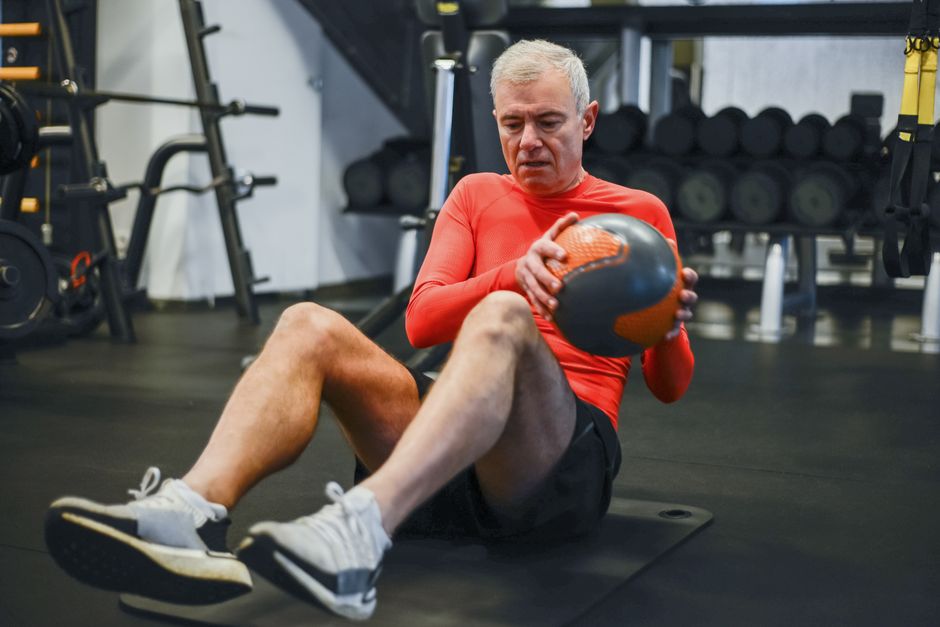
Photo by Kampus Production on Pexels
But here's the thing: balance is the foundation underneath every other physical skill you have. It's what keeps a squat safe, makes a lunge effective, and allows you to move confidently through the world without bracing yourself every time the terrain gets uneven.
After 50, the sensory systems that govern balance — your inner ear, your vision, and the nerve endings in your feet and joints — naturally begin to lose some of their sharpness. This process is called proprioceptive decline, and it happens gradually, which is exactly why most people don't notice it until something goes wrong. The good news? It's highly trainable. You don't have to accept decline as inevitable.
What's Actually Happening in Your Body
Balance isn't a single system — it's a conversation between three major inputs: your vestibular system (inner ear), your visual system (eyes), and your proprioceptive system (sensory feedback from your muscles, joints, and skin).
In your 20s and 30s, these three systems communicate almost flawlessly. After 50, each system can start losing sensitivity independently. Reaction time slows slightly. The feedback loop between foot and brain takes a fraction of a second longer. Muscle response — especially in the smaller stabilizing muscles of the ankle and hip — can weaken if it isn't being challenged regularly.
Research consistently shows that regular balance and stability training can meaningfully slow this decline, improve reaction time, and strengthen the neuromuscular pathways that keep you upright and mobile. This isn't about preventing falls in some distant future — it's about maintaining the sharp, responsive body you have right now and keeping it that way for decades to come.
Strength without stability is like horsepower without steering. Both matter.
Balance Training Is Strength Training (Just Smarter)
One of the biggest misconceptions about balance training is that it's separate from "real" training — something you do on a foam pad for five minutes as an afterthought. In reality, the two are deeply intertwined.
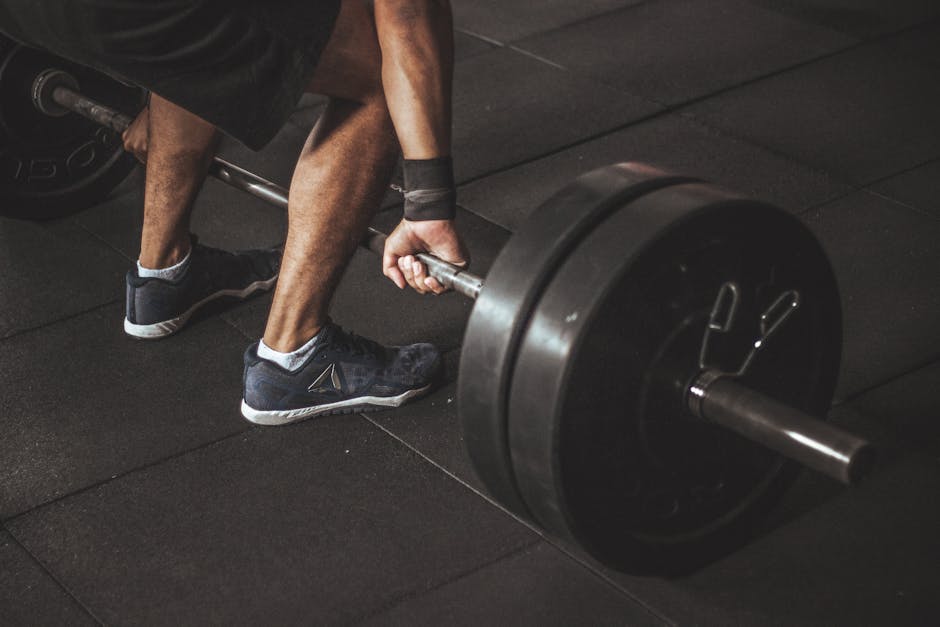
Photo by Victor Freitas on Pexels
Single-leg exercises like Bulgarian split squats, single-leg Romanian deadlifts, and step-ups are both strength and balance movements simultaneously. They force your stabilizing muscles — glutes, hip abductors, tibialis anterior, peroneals — to fire hard while your larger prime movers do the work. The result is more functional strength that actually transfers to real life.
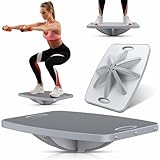
Adding instability (not chaos — there's a difference) through tools like balance boards, BOSU balls, or simply closing your eyes during certain exercises forces your nervous system to adapt. That adaptation is the training effect. Your brain rewires itself to process balance cues faster and more accurately.
The bottom line: if you're doing unilateral (single-limb) movements with good form, you're already doing meaningful balance training. You just might need to be more intentional about it.
Practical Exercises to Start This Week
You don't need special equipment or an entirely new program. Start by weaving these movements into what you're already doing.
Single-Leg Stands — Stand on one foot for 30–60 seconds. Progress by closing your eyes, standing on a folded towel, or moving your free leg slowly while you hold position. This is deceptively challenging and immediately useful.
Heel-to-Toe Walking (Tandem Walk) — Walk in a straight line placing one foot directly in front of the other, heel touching toe. This engages the stabilizers of the ankle and challenges your vestibular system in a functional pattern.
Single-Leg Romanian Deadlift — Hinge at the hip on one leg, keeping a soft bend in the standing knee. Use bodyweight first, then a light kettlebell. Form cue: keep your hips square, don't let the free side drop.
Step-Ups with a Pause — Step onto a box or bench and pause at the top with full hip extension before stepping down slowly. The pause eliminates momentum and demands balance.
Breathing note: For all of these, breathe naturally and avoid holding your breath — bracing through a held breath on balance work can actually disrupt your vestibular feedback.
Consistency Beats Intensity — Every Time
Balance training doesn't require long sessions or maximum effort. What it requires is frequency. Your nervous system adapts through repeated exposure, not through occasional intense bouts. Even 10 minutes incorporated into three or four sessions per week will produce noticeable improvements within a few weeks.
This is one area where the principle of progressive overload applies just as powerfully as it does to lifting. Start easy — both feet on the ground, eyes open, flat surface. Then systematically increase the challenge: one foot, eyes closed, unstable surface, added movement. Track your progress the same way you'd track a deadlift PR.
If you're already training consistently, the integration is simple: replace bilateral movements with unilateral variations, add a brief balance circuit at the end of your session, or turn your warm-up into a stability-focused block.
The goal isn't to make training harder for its own sake. The goal is to build a body that responds quickly, moves confidently, and holds up under real-world demands — whether that's a heavy set of squats, a trail run, or stepping off a curb without thinking about it.
Strong, Stable, and Built to Last
There's a bigger picture here worth naming directly. Balance training is one of the clearest expressions of the Longevity Over Ego philosophy. It won't add plates to your bar. It won't make your before-and-after photos more dramatic. But it will make every other thing you do in the gym safer, more effective, and more sustainable.
The athletes and active adults who stay strong and injury-free into their 60s, 70s, and beyond aren't just the ones who lifted the most weight. They're the ones who respected their nervous system, trained smart, and invested in the unglamorous fundamentals — mobility, stability, balance — alongside their strength work.
At any age, your ability to control your body in space is a direct marker of functional fitness. It reflects how well your muscles, joints, and nervous system are communicating. When that communication degrades, everything else suffers. When you train it deliberately, everything else improves.
Balance is not a soft skill. It's one of the hardest things your body does — and one of the most worth training.
Conclusion
Balance training is a long game, and the best time to take it seriously is before you feel like you need to. Start small: add one single-leg movement to your next session and focus on quality over speed. Build from there. Your nervous system is adaptable at any age — it just needs the right stimulus. Give it that stimulus consistently, and the payoff isn't just a steadier stance. It's the confidence to move freely, train harder, and live actively on your own terms for decades to come. Strong today, strong tomorrow, strong for life.